

Travel Hacking 101: How to Fly Business Class for Free (Without Going into Debt)
Introduction
Learning travel hacking for beginners feels like stumbling upon a secret society. You see people on Instagram sipping champagne in a $10,000 Emirates First Class shower suite, and you assume they must be millionaires. I used to think the same thing. I thought “points and miles” were just for business travelers who flew every week for work.
Then, three years ago, I booked a roundtrip flight to Tokyo in Business Class. The cash price was $6,500. I paid $45 in taxes and 0 cents in airfare. I didn’t win the lottery. I didn’t fly 100,000 miles to earn it. I simply opened two specific credit cards, met the minimum spend, and understood how to transfer points.
Travel hacking is the art of leveraging credit card rewards, airline loyalty programs, and financial literacy to travel for free (or nearly free). It is not about spending more money; it is about changing how you pay for the things you are already buying. In this comprehensive 1200-word deep dive, I will debunk the myth that credit cards ruin your credit score, explain the “Transfer Partner” secret that banks don’t want you to know, and give you the step-by-step blueprint on travel hacking for beginners to book your dream trip.
1. The Golden Rule: Debt is the Enemy
Before we talk about points, we must talk about responsibility. Travel Hacking only works if you pay off your balance in full every single month. If you carry a balance and pay 20% interest, you are losing the game. The rewards (usually worth 2-5%) will never outweigh the interest payments. If you have trouble with impulse spending or existing credit card debt, please stop reading. Focus on debt repayment first. Travel hacking is for those who treat credit cards like debit cards—spending only what they have in the bank.
2. The Strategy: Sign-Up Bonuses (The “SUB”)
You cannot earn enough points for a free vacation by just earning “1 point per dollar” on your coffee. That takes years. The secret to travel hacking for beginners is the Sign-Up Bonus (SUB).
Banks want your business. To get it, they offer massive incentives. Example: “Spend $4,000 in the first 3 months, and get 60,000 bonus points.” Those 60,000 points could be worth $750 in cash back, OR they could be worth $2,000+ if used for travel.
How to execute:
-
Wait until you have a large planned expense (car insurance, medical bill, Christmas shopping).
-
Open a new travel rewards card (like Chase Sapphire Preferred or Amex Gold).
-
Put all your normal expenses on that card until you hit the $4,000 goal.
-
Collect the bonus.
-
Stop using the card (sock drawer it) and move to the next one. This is called “Churning.”
3. Points vs. Miles: Understanding the Currency
Not all points are created equal. There are two main types of currencies in this game:
-
Fixed Value Points: (e.g., Capital One Purchase Eraser). 1 point = 1 cent. Simple, but low value. 100,000 points = $1,000 of travel.
-
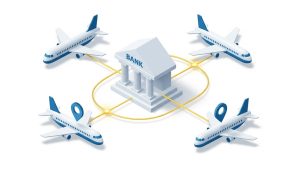
Transferable Points: (e.g., Chase Ultimate Rewards, Amex Membership Rewards). These are the gold standard. You can transfer these points to airline partners.
Why Transferable Points Win: Let’s say you want to fly United Airlines. If you use “Fixed Points” to buy a $2,000 ticket, it costs you 200,000 points. But, if you have Chase points, you can transfer them directly to United MileagePlus. Sometimes, United sells that same seat for only 80,000 miles (Saver Award). By transferring, you just saved 120,000 points. This is called “Outsized Value.”
4. The “Chase 5/24” Rule: The One Rule You Must Know
If you start applying for cards randomly, you will get rejected. Chase Bank (which offers some of the best travel cards) has an unwritten rule called 5/24.
-
The Rule: If you have opened 5 or more personal credit cards (from ANY bank) in the last 24 months, Chase will automatically reject your application.
Because Chase cards are so valuable, smart hackers always start with Chase. Get your 5 Chase cards first (over a period of 1-2 years), and then move on to Amex or Citi. According to data from The Points Guy, violating this rule is the number one mistake beginners make, locking them out of the best ecosystem for years.
5. Booking the Flight: Don’t Use the Portal
Most beginners make the mistake of booking their free flights through the bank’s travel portal (like Expedia for points).
-
The Rookie Move: You see a flight for 50,000 points on the portal. You book it.
-
The Pro Move: You go to British Airways’ website. You see the same flight available for 35,000 miles. You log into your credit card account, “Transfer” 35,000 points to British Airways, and book it there.
Finding “Sweet Spots”: Airlines have alliances (Star Alliance, OneWorld, SkyTeam). You can use British Airways Avios to book flights on American Airlines. You can use Virgin Atlantic points to book flights on ANA (Japanese airline). Finding these sweet spots requires using tools like PointsYeah or Roame.travel. These search engines tell you exactly which airline has the cheapest award seats.

6. Credit Score Impact: Will It Tank?
“Won’t opening 5 cards ruin my score?” Surprisingly, no. When you apply, your score drops temporarily (about 5 points) due to the “Hard Inquiry.” However, because you are getting a new card with a new credit limit, your Total Available Credit goes up. This lowers your Credit Utilization Ratio (which makes up 30% of your score). So, after a few months, your score usually goes higher than it was before. My credit score went from 740 to 810 after I started travel hacking, simply because I had more available credit and never missed a payment.
7. Organization: The Spreadsheet
You cannot do this in your head. You will forget to pay a bill or forget to cancel a card before the annual fee hits. You need a simple system.
-
Spreadsheet: Track Card Name, Date Opened, Minimum Spend Requirement, Bonus Deadline, and Annual Fee Date.
-
Autopay: Set every single card to “Autopay: Statement Balance” immediately upon activation.

Frequently Asked Questions (FAQs)
Q: What about annual fees? Are they worth it? A: Yes. A card might have a $95 fee, but if the sign-up bonus is worth $750, you are still up $655 in profit. Premium cards with $550 fees often come with travel credits, lounge access, and free insurance that outweigh the cost.
Q: Do points expire? A: As long as your credit card account is open, bank points (Chase/Amex) do not expire. Once transferred to an airline, they usually expire after 18-36 months of inactivity.
Q: Can I do this with a debit card? A: No. Debit cards rarely offer rewards, and they do not build credit history. This strategy is exclusive to credit products.
Q: Is this legal? A: 100%. Banks love this. Even though they lose money on the savvy “hackers” (like us), they make billions from the interest paid by people who carry debt. We are simply the minority taking advantage of the system.
Conclusion
Mastering travel hacking for beginners is like finding a cheat code for life. It democratizes luxury travel. It allows you to visit places you thought were out of your budget and creates memories that are priceless. It requires discipline, organization, and a bit of study, but the first time you sip champagne in a lie-flat seat at 35,000 feet knowing you paid $5 for the ticket, you will realize it was worth every minute of effort.