Reliable Recall Training: How to Teach Your Dog to Come Every Time
Introduction
Mastering reliable recall training is not just a cool party trick; it is a life-saving skill. I learned this the hard way on a camping trip. My Beagle, Cooper, caught the scent of a deer. In a split second, he bolted toward a busy road. I screamed his name, panic seizing my chest. He didn’t even flick an ear. He kept running. I was lucky that day—the car swerved—but the image of him running blindly into danger haunted me.
I realized then that “Cooper, Come!” was just background noise to him. I had inadvertently trained him to ignore me. Many owners think recall is about obedience. It isn’t. It is about value. Your dog is constantly asking, “Is coming to you worth more than chasing this squirrel?” If the answer is no, you lose.
In this comprehensive 1200-word deep dive, I will explain the psychology of the “Poisoned Cue,” why you should never call your dog to punish them, and the step-by-step reliable recall training protocol to ensure that when you call, your dog turns on a dime and runs back to you joyfully.
1. The “Poisoned Cue”: Why Your Dog Ignores You
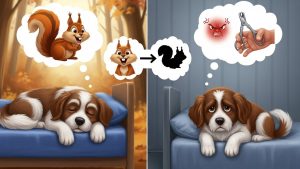
The biggest mistake owners make is “poisoning” the word “Come.” Think about it: When do you usually call your dog?
-
When you leave the park (Fun ends).
-
When you want to trim their nails (Scary).
-
When they are in trouble (Punishment).
Your dog has learned that the word “Come” predicts something bad or boring. So, they weigh their options and choose to ignore you. The Fix: If your dog ignores “Come,” stop using that word immediately. It is burned. Pick a new word like “Here,” “Recall,” or a whistle sound. You need a fresh start with zero negative associations. According to animal behaviorists at the American Kennel Club (AKC), changing the cue is often faster than trying to fix a broken one.
2. The Science of Value: Being Better Than the Squirrel
To get a reliable recall, you must be the most exciting thing in the environment. Kibble won’t cut it. If your dog is chasing a rabbit, a piece of dry food is an insult. You need “Jackpot Rewards.”
-
High Value: Boiled chicken, cheese, hot dogs, or freeze-dried liver.
-
The Party: When they arrive, don’t just give one treat. Give five pieces in a row, cheer, and play. Make them feel like they just won the Super Bowl.
The Drill: Randomly throughout the day, say your new cue word (“Here!”) and drop a piece of chicken on the floor. Do this when they are already next to you. You are simply charging the word with value. Word = Chicken.
3. The Long Line: Freedom with Safety
You cannot train recall off-leash immediately. If they run off, they self-reward (chasing is fun), and your training sets back months. You need a Long Line (a 30-50 foot leash). This gives the illusion of freedom but allows you to reel them in if they ignore you.
The Exercise:
-
Go to a park with the long line.
-
Wait for the dog to get distracted (sniffing a bush).
-
Say “Here!” in a happy voice.
-
If they turn, mark “Yes!” and run backward (inviting them to chase you).
-
If they ignore you, gently pulse the line to get their attention. Never yank. According to the Whole Dog Journal, running backward taps into the dog’s predatory chase drive, making coming to you a game rather than a chore.

4. The Premack Principle: Eat Your Vegetables
This is also known as “Grandma’s Law”: You have to eat your broccoli before you get ice cream. In dog training: You have to come to me before you get to sniff the tree.
How to use it:
-
Your dog wants to sniff a fire hydrant.
-
Call them: “Here!”
-
They come to you. You touch their collar (important!).
-
Then you say, “Go Sniff!” and release them back to the hydrant.
You are teaching them that coming to you doesn’t mean the fun ends; it actually unlocks the fun. Coming to you is the key to the world.
5. The Emergency Recall: The “Life or Death” Word
Standard recall is for daily use. But you need a “Nuclear Option” for emergencies (like a car approaching). This is a word or whistle you use only once a month to keep it potent.
-
The Rules:
-
Never use it unless you have the absolute best reward (e.g., a whole tin of wet food).
-
Never use it to do something bad (bath/vet).
-
Never use it if you aren’t 100% sure they will come (start training indoors).
-
I use a specific Acme Whistle. The tone cuts through wind and traffic noise better than my voice. When my dog hears that pitch, he knows he is about to get a jackpot.

6. Proofing: Adding Distractions
Once your dog comes perfectly in the living room, don’t assume they will come at the dog park. Dogs do not generalize well. You must “proof” the behavior in layers.
-
Level 1: Living room (Boring).
-
Level 2: Backyard (Smells).
-
Level 3: Front yard (Cars/People).
-
Level 4: Park distance (Watching dogs from afar).
-
Level 5: Park close (Playing with dogs).
If you jump to Level 5 too fast, you will fail. If they fail, go back a level.
7. The “Collar Grab” Game
Many dogs come near you but dodge when you reach for them. This is the “Catch Me If You Can” game. You must teach them that hands reaching for the collar = good things. The Game: Sit with your dog. Reach out, grab their collar gently, and feed a treat. Let go. Repeat 10 times. Make the collar grab a predictor of snacks, not a loss of freedom.

Frequently Asked Questions (FAQs)
Q: My dog runs away when I open the door. Is this recall? A: This is “Door Dashing,” which is an impulse control issue. While recall helps, you need to train “Wait” at the door. Never chase a loose dog; they think it’s a game. Fall down and make weird noises to attract them back to you.
Q: Can I use a shock collar (E-collar) for recall? A: While some hunters use them, for the average pet owner, E-collars can cause “fallout.” If you shock the dog when they are looking at you, they might associate the pain with you, damaging the bond. Positive reinforcement creates a dog that wants to come, not one that is afraid not to.
Q: What if they ignore me at the park? A: Go and get them. Do not stand there screaming their name over and over (“Cooper… Cooper… COOPER!”). This teaches them they can ignore the first 5 calls. Walk calmly to them, put the leash on, and leave. No rewards.
Q: How do I know when they are ready to be off-leash? A: When they have a 99% success rate on the long line in a high-distraction environment. Even then, only in safe, enclosed areas.
Conclusion
Achieving reliable recall training is the ultimate freedom for your dog. It allows them to run, sniff, and explore the world safely because you have an invisible leash connecting you. It requires months of practice and pockets full of hot dogs, but the peace of mind is priceless. Remember: Always be the most exciting thing in the park. Be the party they want to return to.