
The Ultimate Intermittent Fasting 16/8 Guide: How to Lose Weight Without Counting Calories
Introduction
Starting an intermittent fasting 16/8 guide usually begins with skepticism. I used to be the person who got “hangry” (hungry + angry) if I didn’t eat breakfast by 9:00 AM. I believed the old myth that “breakfast is the most important meal of the day” and that I needed to eat six small meals to keep my metabolism “burning.” But despite following that advice, I felt sluggish, bloated, and couldn’t shake the last 10 pounds.
Then I stumbled upon the concept of Intermittent Fasting (IF). It wasn’t a diet; it was a schedule. It promised mental clarity, fat loss, and cellular repair. I decided to try the 16/8 method (fasting for 16 hours, eating for 8). The first three days were tough, but by day four, something magical happened: my brain fog lifted, my energy stabilized, and my cravings vanished. According to Johns Hopkins Medicine, intermittent fasting can improve heart health, brain function, and lifespan.
In this comprehensive 1200-word deep dive, I will explain the science of “Autophagy,” why putting milk in your coffee breaks the fast, and provide a step-by-step intermittent fasting 16/8 guide to help you transform your metabolic health.
1. What is the 16/8 Method? (It’s Not a Diet)
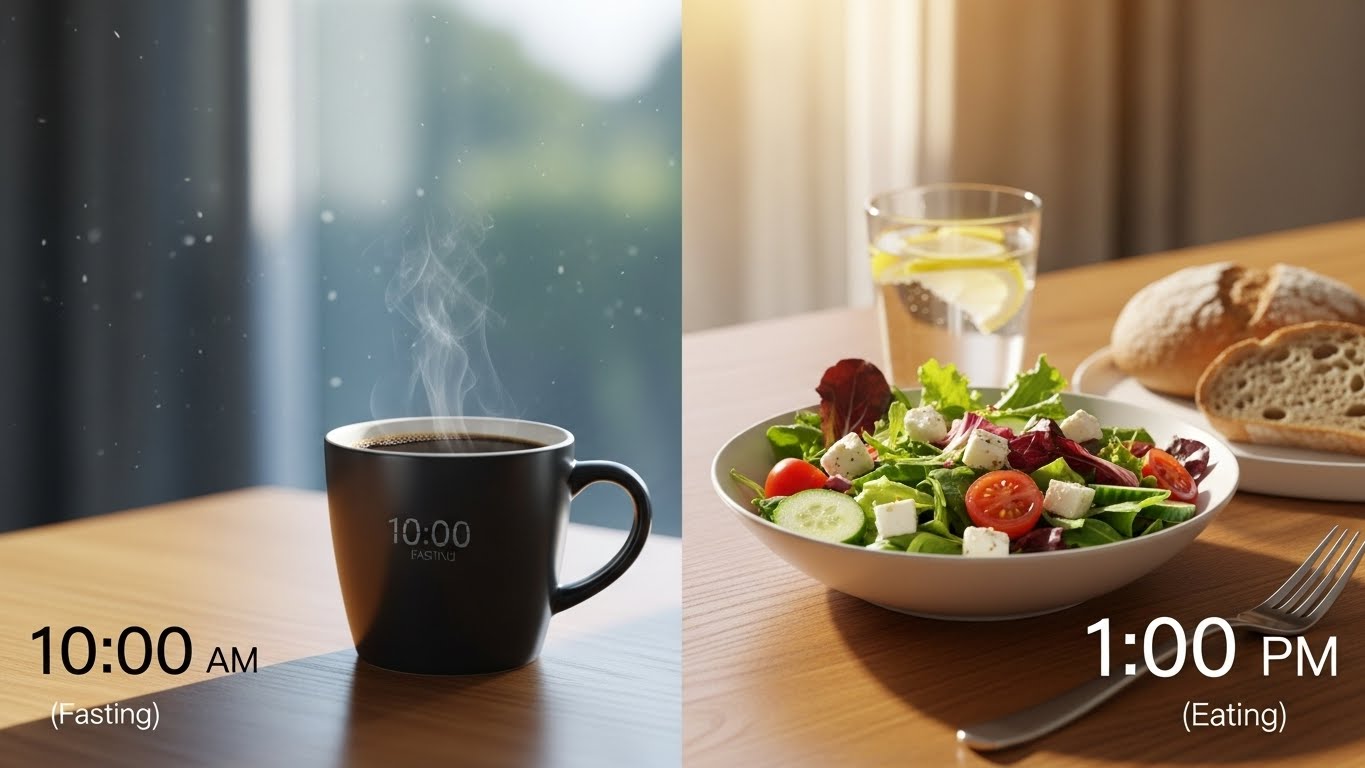
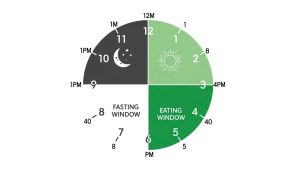
Intermittent Fasting is not about what you eat; it is about when you eat. The 16/8 method involves fasting for 16 hours a day and consuming all your calories within an 8-hour window.
-
The Fasting Window: Usually 8:00 PM to 12:00 PM the next day. (You sleep through most of it!).
-
The Eating Window: 12:00 PM to 8:00 PM.
Why does this work? When you eat all day, your insulin levels are constantly high. Insulin is a storage hormone; it tells your body to store fat. When you fast, insulin drops, allowing your body to access stored fat for energy. It creates a “Metabolic Switch.”
2. The Secret Power: Autophagy (Cellular Recycling)
Weight loss is great, but the real benefit is Autophagy. This translates from Greek as “Self-Eating.” When you haven’t eaten for 12-16 hours, your body realizes no new energy is coming in. So, it starts to scavenge. It hunts down old, damaged cells, misfolded proteins, and viruses, and recycles them for energy. It is literally a deep-cleaning service for your body. A study published in the New England Journal of Medicine suggests that this process may protect against neurodegenerative diseases like Alzheimer’s and Parkinson’s. If you snack at 10 PM, you stop this process dead in its tracks.
3. The “Clean Fast”: Coffee, Tea, and Water
The most common mistake beginners make is “Dirty Fasting.” They think, “It’s just a splash of milk in my coffee,” or “It’s just a zero-calorie sweetener.” Stop. Any flavor that mimics sweetness (even stevia) or any calories (milk/creamer) can spike insulin. Once insulin spikes, the fast is broken, and fat burning stops.
What you CAN have during the fast:
-
Black Coffee: No sugar, no milk.
-
Tea: Green or black tea (plain). Green tea contains catechins which can aid hunger suppression.
-
Water: Still or sparkling (unflavored). Adding a pinch of Himalayan salt helps with electrolytes if you feel dizzy.

4. Breaking the Fast: Don’t Eat a Pizza
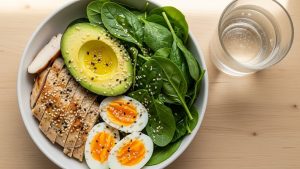
You have just rested your digestive system for 16 hours. Do not shock it with a double cheeseburger. The Strategy: Break your fast gently. Start with protein and healthy fats. Ideally, eat a handful of nuts, a hard-boiled egg, or some bone broth 30 minutes before your main meal. This prevents a massive blood sugar spike (the “food coma”) that makes you want to nap at 2 PM. Prioritize nutrient-dense foods: Leafy greens, lean meats, avocados, and complex carbs.
5. Adjusting for Women: The Hormonal Factor
Intermittent Fasting affects men and women differently. Women are more sensitive to calorie restriction due to reproductive hormones (Kisspeptin). Excessive fasting can sometimes lead to irregular cycles or hair loss in women if not done carefully. The Modification:
-
If you are a woman and feel overly fatigued or your cycle changes, switch to 14/10 (14 hours fast, 10 hours eat).
-
Avoid long fasts during the luteal phase (the week before your period) when your body requires more energy. Listen to your body.
6. Dealing with Hunger: Riding the Wave
“But I get so hungry!” Hunger is not a linear line that goes up until you explode. It is a wave. It comes, peaks, and passes. This is driven by Ghrelin (the hunger hormone). Ghrelin spikes at the times you usually eat. If you usually eat breakfast at 8 AM, you will be hungry at 8 AM. The Fix: Drink a large glass of sparkling water or black coffee. Wait 20 minutes. The wave will pass. After 3-5 days, your Ghrelin levels will adjust to your new schedule, and you won’t even be hungry in the mornings anymore.
7. Working Out Fasted: Burning Pure Fat
Can you exercise while fasting? Yes, and it is powerful. Exercising in a fasted state forces your body to burn fat for fuel because there is no glycogen (sugar) readily available in the blood.
-
Cardio: Zone 2 cardio (as discussed in our previous article) is perfect for fasted mornings.
-
Weights: If you lift heavy, you might need to break your fast immediately after the workout with protein to support muscle repair.

Frequently Asked Questions (FAQs)
Q: Can I take supplements while fasting? A: It depends. Vitamins D, E, and Fish Oil are fat-soluble and should be taken with food (during your eating window). Magnesium and electrolytes can be taken during the fast (if they are sugar-free). Gummy vitamins break a fast because they contain sugar/gelatin.
Q: Will I lose muscle? A: Not if you eat enough protein during your eating window and use your muscles (exercise). Fasting actually increases Human Growth Hormone (HGH), which helps preserve muscle mass.
Q: Can I change my window on weekends? A: Yes. IF is flexible. If you want to have brunch on Sunday, go ahead. Just try to get back on track Monday. Consistency is key, but one day won’t ruin your progress.
Q: Does sleeping count as fasting? A: Yes! That is the beauty of it. You are already fasting for 8 hours while you sleep. You just need to extend it by skipping breakfast and stopping late-night snacking.
Conclusion
Adopting an intermittent fasting 16/8 guide is less about dieting and more about regaining control over your hunger signals. It frees you from the constant need to prepare food and carry snacks. It saves you money (no breakfast costs!). Most importantly, it gives your body the rest it needs to repair itself from the inside out. Start tomorrow. Skip the cereal, grab a black coffee, and feel the clarity.