How to Travel on a Budget: The Ultimate Guide to Free and Cheap Accommodation
Introduction
Learning how to travel on a budget is the single most liberating skill you can acquire. For years, I assumed that travel was a luxury reserved for the wealthy or the retired. I thought a trip to Europe meant spending $200 a night on a hotel, $50 on dinner, and saving for five years just to spend ten days abroad. That misconception kept me grounded.
Then, I met a traveler in a coffee shop who told me he had been traveling for six months on a budget of $30 a day. I didn’t believe him. But he showed me his spreadsheet. He wasn’t sleeping on park benches; he was staying in villas, historic apartments, and cozy cabins—often for free. The biggest expense in travel isn’t the flight (especially if you read our previous guide on flight hacking); it is accommodation. If you pay $150 a night for a bed, your money vanishes. If you pay $0 or $20, you can travel forever.
In this comprehensive 1200-word deep dive, I will reveal the underground economy of travel accommodation. We will cover the rise of “Poshtels,” the responsibility of House Sitting, and the art of how to travel on a budget without sacrificing comfort or safety.
1. The “Poshtel” Revolution: It’s Not What You Think
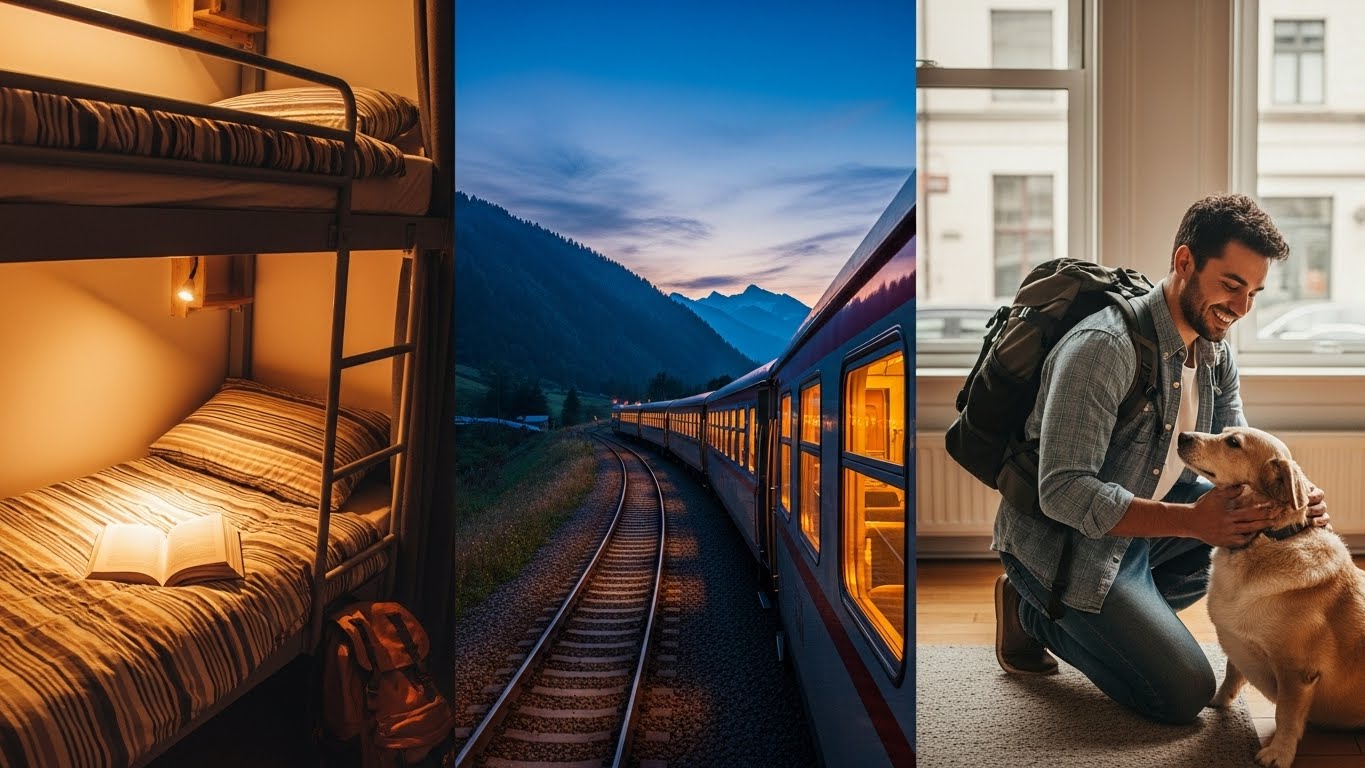
When people hear “hostel,” they imagine the horror movie Hostel—dirty sheets, loud parties, and dangerous strangers. Delete that image. In the last decade, hostels have transformed into “Poshtels” (Posh Hostels). According to Hostelworld, modern hostels often feature rooftop pools, coworking spaces, privacy curtains in dorms, and ensuite bathrooms.
Why they win:
-
The Price: A bed in a high-end hostel in Tokyo might cost $25, while a hotel next door is $150.
-
The Community: Hotels are isolating. Hostels are social hubs. You meet people in the common room who become travel buddies for life.
-
Private Rooms: If you hate sharing, most hostels offer private rooms that are still 50% cheaper than hotels but offer the same social vibe.

2. House Sitting: The “Free Villa” Hack
This is the holy grail of budget travel. People with pets want to go on vacation, but kennels are expensive and stressful for animals. The Exchange: You stay in their house for free, and in return, you feed their cat or walk their dog. Platforms like TrustedHousesitters connect homeowners with travelers.
My Experience: I once stayed in a four-story townhouse in central London for two weeks. Cost: $0. The only requirement was feeding a very fat, very sleepy cat named Mochi. A hotel in that neighborhood would have cost me $3,000. The Catch: It is a responsibility. You are not just a tourist; you are a caretaker. You cannot leave the pet alone for 12 hours. But if you love animals, it is the best way to live like a local for free.

3. The Night Transport Trick: Moving While Sleeping
If you are traveling between cities (e.g., Paris to Venice, or Bangkok to Chiang Mai), you have two choices:
-
Pay for a day train + pay for a hotel that night.
-
Take a Night Train or Sleeper Bus.
Option 2 combines your transport cost and your accommodation cost into one ticket. This saves you a night of hotel fees and saves you a day of daylight for exploring. Modern sleeper trains (like the Nightjet in Europe) offer private couchettes. You board at 10 PM, sleep, and wake up in a new country at 7 AM. It is efficient and adventurous. According to transport data from The Man in Seat 61, night trains are also significantly more carbon-efficient than flying, aligning your budget goals with eco-goals.
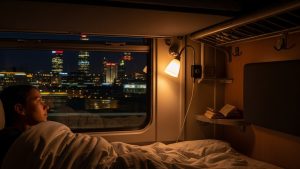
4. Shoulder Season: Timing is Everything
The price of a room is not fixed; it is fluid based on demand.
-
Peak Season (Summer): Everyone travels. Prices are 100%.
-
Off-Season (Winter): Weather is bad. Prices are 40%.
-
Shoulder Season (Spring/Fall): The sweet spot. Weather is good, crowds are thin, and prices are 60-70%.
The Strategy: If you want to go to Santorini, do not go in August. Go in October. The water is still warm, the sunsets are the same, but the hotels are half price. Being flexible with when you go is the single biggest factor in how to travel on a budget.
5. Work Exchange: Trading Sweat for a Bed
If you have more time than money, consider a work exchange. Platforms like Worldpackers or WWOOF (World Wide Opportunities on Organic Farms) connect you with hosts who need help. The Deal: You work 4-5 hours a day (farming, reception desk, painting, teaching English) in exchange for a free bed and usually three meals a day.
This provides deeper cultural immersion than any tour. You aren’t watching the culture; you are participating in it. I picked olives in Italy for a week. My back hurt, but I ate the best food of my life with an Italian family and paid zero Euros for the privilege.

6. Apartment Rentals vs. Hotels
For groups or long stays, hotels are money pits. You have to eat out for every meal. Renting an apartment (Airbnb or local alternatives like Agoda Homes) gives you a Kitchen.
-
The Math: Breakfast and coffee out = $15. Lunch out = $20. Dinner out = $30. Total = $65/day per person.
-
Cooking: Groceries for the day = $15. You save $50 a day just by boiling your own eggs and making a sandwich. Over a 10-day trip, that is $500 saved.
7. Couchsurfing: The Trust Economy
Couchsurfing is a platform where locals offer a spare couch or room to travelers for free. It sounds dangerous to the uninitiated, but the platform relies on a robust review system. It is not just a free place to crash; it is a cultural exchange. Your host wants to meet you, show you their city, and hear your stories.
-
Safety Rule: Only stay with hosts who have multiple positive, detailed reviews. Trust your gut. If a profile looks sketchy, skip it.
Frequently Asked Questions (FAQs)
Q: Are hostels safe for solo female travelers? A: Yes. Most hostels offer “Female Only” dorms. These require a key card to enter and provide a safer environment. Always bring a padlock for your locker.
Q: How do I get house sitting gigs with no reviews? A: Start local. House sit for a friend or neighbor and ask them to write you a review on the platform. A profile with 0 reviews is hard to sell; a profile with 3 glowing reviews is gold.
Q: Is night transport comfortable? A: It depends. A sleeper train with a bed is comfortable. A seated bus is less so. Bring earplugs, an eye mask, and a neck pillow. The money saved usually makes the slight discomfort worth it.
Q: Do I need to book in advance? A: For House Sitting, yes (months in advance). For hostels in shoulder season, you can often book 1-2 days ahead, giving you spontaneity.
Conclusion
Mastering how to travel on a budget requires a shift in priorities. It asks you to value experiences over thread counts. It challenges you to trust strangers (with verification) and step out of the tourist bubble. Whether you are feeding a cat in London, sleeping on a train in Vietnam, or sharing a meal in a hostel in Peru, these budget hacks don’t just save you money—they give you a richer, more authentic story to tell when you get home.