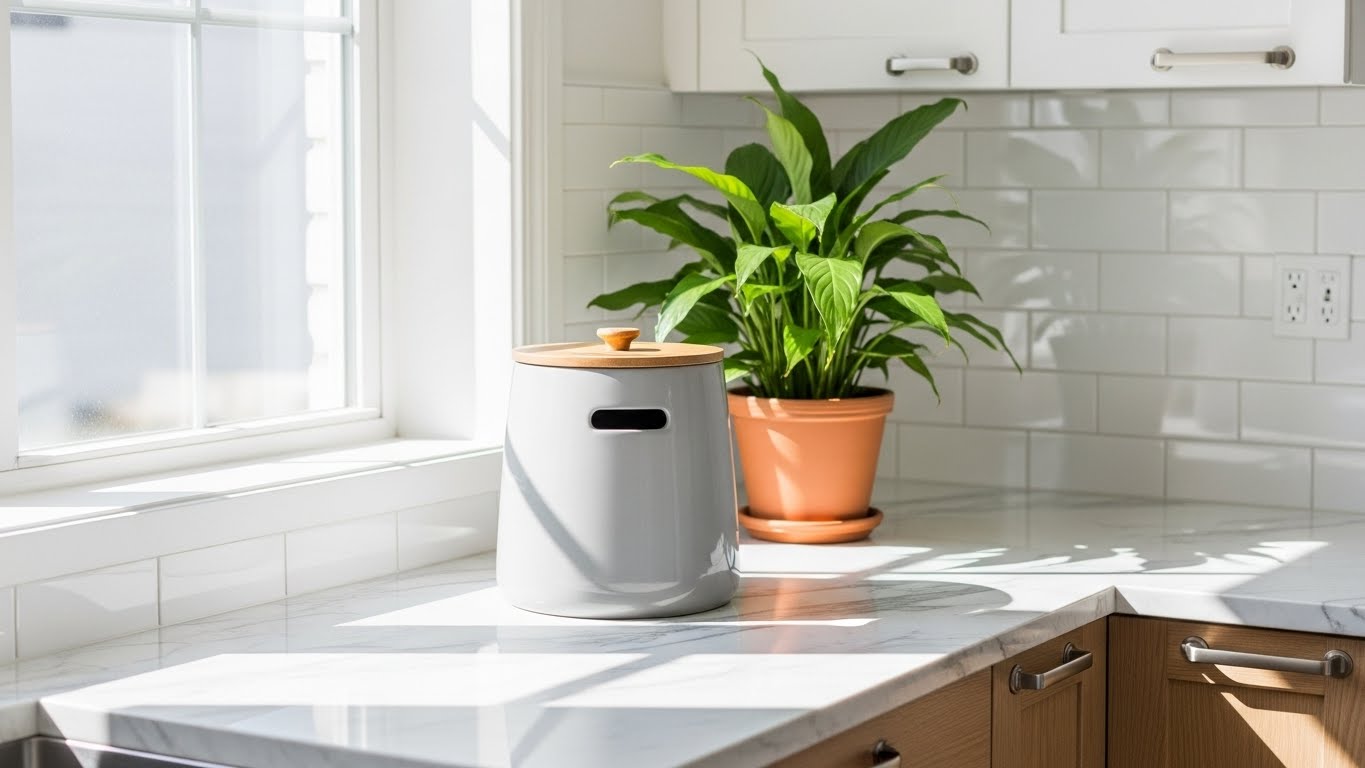
How to Start Composting in an Apartment: No Smell, No Pests, No Garden Needed
Introduction
Learning how to start composting in an apartment can feel like inviting a science experiment gone wrong into your living room. The first time I tried to compost in my 500-square-foot studio apartment, it was a disaster. I threw some banana peels and apple cores into a plastic bucket under my sink and forgot about it. Two weeks later, my kitchen was swarming with fruit flies, and the smell was… indescribable. I threw the whole bucket in the trash and swore I would never do it again.
But the guilt of throwing away food scraps kept nagging me. According to the EPA, food waste in landfills generates methane, a potent greenhouse gas that is 25 times more harmful than carbon dioxide. I realized that if I wanted to call myself “eco-friendly,” I had to conquer the bucket. Five years later, I now have a thriving compost system right next to my refrigerator. There is zero smell, zero bugs, and my houseplants have never looked better.
In this comprehensive 1200-word deep dive, I will debunk the myth that you need a backyard to compost, explain the chemistry of “Greens and Browns,” and teach you exactly how to start composting in an apartment without turning your home into a swamp.
1. The Science: Why Landfills Are the Enemy
Why bother composting? Why not just use the garbage disposal? When food rots in a landfill, it is buried under tons of other trash. This creates an anaerobic environment (no oxygen). When organic matter breaks down without oxygen, it produces methane. When you compost, you allow air to circulate. This creates an aerobic environment. The result is just carbon dioxide (which plants absorb) and nutrient-rich soil.
According to data from the World Wildlife Fund (WWF), nearly 40% of all food produced is wasted. By composting, you are personally diverting hundreds of pounds of waste from contributing to climate change every year. It is the single most impactful habit change an individual can make.
2. Method 1: Vermicomposting (The Worm Bin)
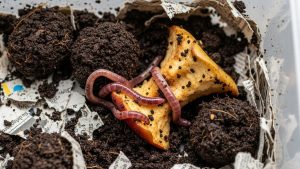
This sounds terrifying to some people. “You want me to keep a box of worms in my kitchen?” Yes. And believe it or not, it is the cleanest, fastest method for apartments. Red Wiggler worms (Eisenia fetida) are voracious eaters. They can eat half their body weight in food scraps every day.
The Setup: You need two opaque plastic storage bins. Drill holes in the top/sides of one for air. Stack them.
-
Bedding: Shredded newspaper or cardboard (this is the carbon).
-
Food: Your vegetable scraps (this is the nitrogen).
-
The Workers: 1 pound of Red Wigglers (you can buy them online).
I keep my worm bin under a bench in my hallway. It doesn’t smell like garbage; it smells like fresh rain on a forest floor. The worms are photophobic (afraid of light), so they stay buried deep inside the box. You will never see them unless you go digging.
3. Method 2: Bokashi (The Fermentation Pickle)
If you absolutely cannot handle worms, Bokashi is your answer. This is a Japanese method that uses beneficial microbes to ferment food waste. It is essentially “pickling” your trash.
Why it’s great for apartments:
-
Speed: It takes about two weeks.
-
Diet: Unlike worms (who are vegan), Bokashi can break down meat, dairy, and small bones.
-
Sealed: The bucket is air-tight. No air means no smells escaping and no bugs getting in.
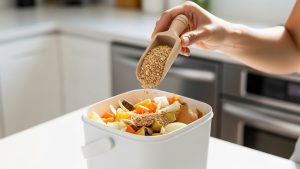
You sprinkle a special “Bokashi Bran” (inoculated with microbes) over your food scraps, push it down to remove air, and seal the lid. The only downside is that the end product is acidic fermented waste, which needs to be buried in soil (or a large pot of soil on a balcony) to finish decomposing.
4. The Golden Rule: Greens vs. Browns
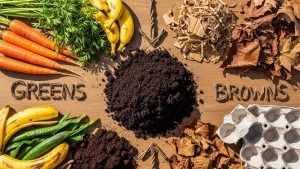
Whether you use worms, a tumbler, or a pile, the chemistry of composting relies on two variables: Nitrogen (“Greens”) and Carbon (“Browns”). If your compost smells like rotten eggs, you have too much Nitrogen. If it is dry and doing nothing, you have too much Carbon.
The Ratio: Aim for 2 parts Brown to 1 part Green.
-
Greens (Nitrogen): Fruit peels, vegetable scraps, coffee grounds, tea bags. (These are wet).
-
Browns (Carbon): Shredded cardboard (Amazon boxes!), newspaper, dried leaves, toilet paper rolls, egg cartons. (These are dry).
Every time I add a handful of apple peels (Green) to my bin, I add two handfuls of shredded paper (Brown). The carbon absorbs the moisture and neutralizes the smell. This balance is the secret to mastering how to start composting in an apartment successfully.
5. What NOT to Compost (The “No” List)
To keep your apartment safe from pests, you must be strict about what goes in the bin. Outdoor compost piles heat up enough to kill pathogens, but indoor cold composting does not.
Avoid these indoors:
-
Meat and Fish: They smell terrible when rotting and attract rats/roaches. (Unless using Bokashi).
-
Dairy (Cheese/Milk): Causes bad odors.
-
Oils and Grease: Coats the food and stops air from getting to it.
-
Citrus and Onions (For Worms): Red Wigglers hate the acidity of lemons and the chemical compound in onions. It burns their skin.
6. Troubleshooting: The Fruit Fly War
Even the best composters get fruit flies occasionally. If you see a cloud of tiny flies, don’t panic.
-
Stop Feeding: Don’t add new food for a week.
-
Add Browns: Add a thick layer (2 inches) of dry shredded paper to the top of the bin. This acts as a physical barrier so flies can’t reach the food to lay eggs.
-
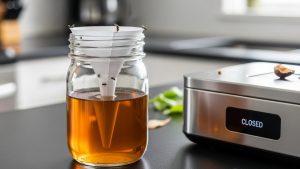
The Trap: Put a small bowl of apple cider vinegar with a drop of dish soap near the bin. They will dive in and drown.
Frequently Asked Questions (FAQs)
Q: Can I put compostable plastic bags in my bin? A: Generally, no. “Bioplastics” usually require high-heat industrial facilities to break down. In a home worm bin, they will just sit there for years.
Q: How long does it take to get soil? A: With a worm bin, you can harvest “castings” (worm poop soil) every 3-6 months. It depends on how many worms you have and how warm your apartment is.
Q: What do I do with the compost if I don’t have plants? A: You can donate it! Community gardens, neighbors with plants, or even local farmers markets often accept finished compost. Or, just sprinkle it on the street trees in your neighborhood—they need the nutrients!
Q: Does it smell? A: If done correctly, it should smell like soil/earth. If it smells sour or rotten, add more Browns (cardboard/paper) immediately to dry it out.
Conclusion
Deciding how to start composting in an apartment is a commitment, but it is deeply rewarding. There is something magical about turning your breakfast leftovers into black, nutrient-rich earth. It reconnects you to the cycle of nature, even if you live on the 15th floor of a concrete building. Start small, save your Amazon boxes for “Browns,” and trust the process. Your trash can—and the planet—will thank you.