How to Quit Fast Fashion: A Realistic Guide to Building a Sustainable Wardrobe
Introduction
Deciding how to quit fast fashion usually begins with a paradox: standing in front of a closet bursting with clothes, yet feeling like you have absolutely nothing to wear. I have been there. My wardrobe used to be a graveyard of $10 t-shirts that lost their shape after one wash and trendy dresses I bought for Instagram and never wore again. I was addicted to the dopamine hit of buying something new every Friday. It felt cheap, but the cost to the planet was astronomical.
According to the UN Environment Programme, the fashion industry produces 10% of global carbon emissions—more than international flights and maritime shipping combined. We are buying 60% more clothing than we did 15 years ago, but keeping it for half as long.
In this comprehensive 1200-word deep dive, I will share my journey from a fast-fashion addict to a conscious consumer. We will explore how to spot “Greenwashing,” why polyester is basically plastic, and the practical steps on how to quit fast fashion without going broke or dressing like a potato sack.
1. The Psychology of “New”: Breaking the Addiction
Fast fashion brands like Shein, Zara, and H&M are designed to be addictive. They don’t have “seasons” anymore; they have “micro-trends” that change every week. They use scarcity tactics (“Only 2 left!”) and incredibly low prices to trick your brain into thinking, “It’s only $5, why not?”
The Reality Check: To break this cycle, you have to understand the true cost. If a shirt costs $5, think about the fabric, the shipping, the store rent, and the marketing. How much was the worker paid to sew it? likely pennies. When you buy fast fashion, you aren’t getting a deal; you are buying future trash. Most of these items are designed to fall apart so you have to come back and buy more. It is a subscription model disguised as retail.

2. The Material Audit: Polyester vs. Natural Fibers
Look at the tag on the shirt you are wearing right now. Does it say “100% Polyester” or “Acrylic”? If so, you are essentially wearing oil. Synthetic fabrics are plastics derived from fossil fuels.
-
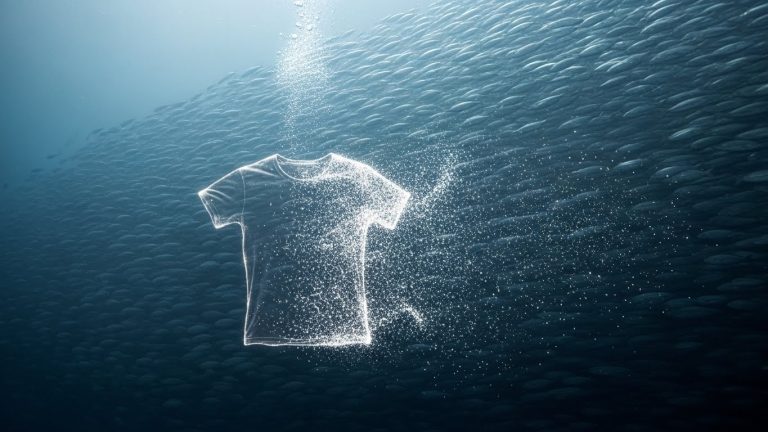
The Microplastic Problem: Every time you wash polyester, it sheds thousands of tiny microplastic fibers. These pass through wastewater treatment plants and end up in the ocean.
-
The Breathability Issue: Plastic traps heat and sweat. Natural fibers breathe.
The Swap: Start checking labels religiously. Look for:
-
Organic Cotton: Grown without toxic pesticides.
-
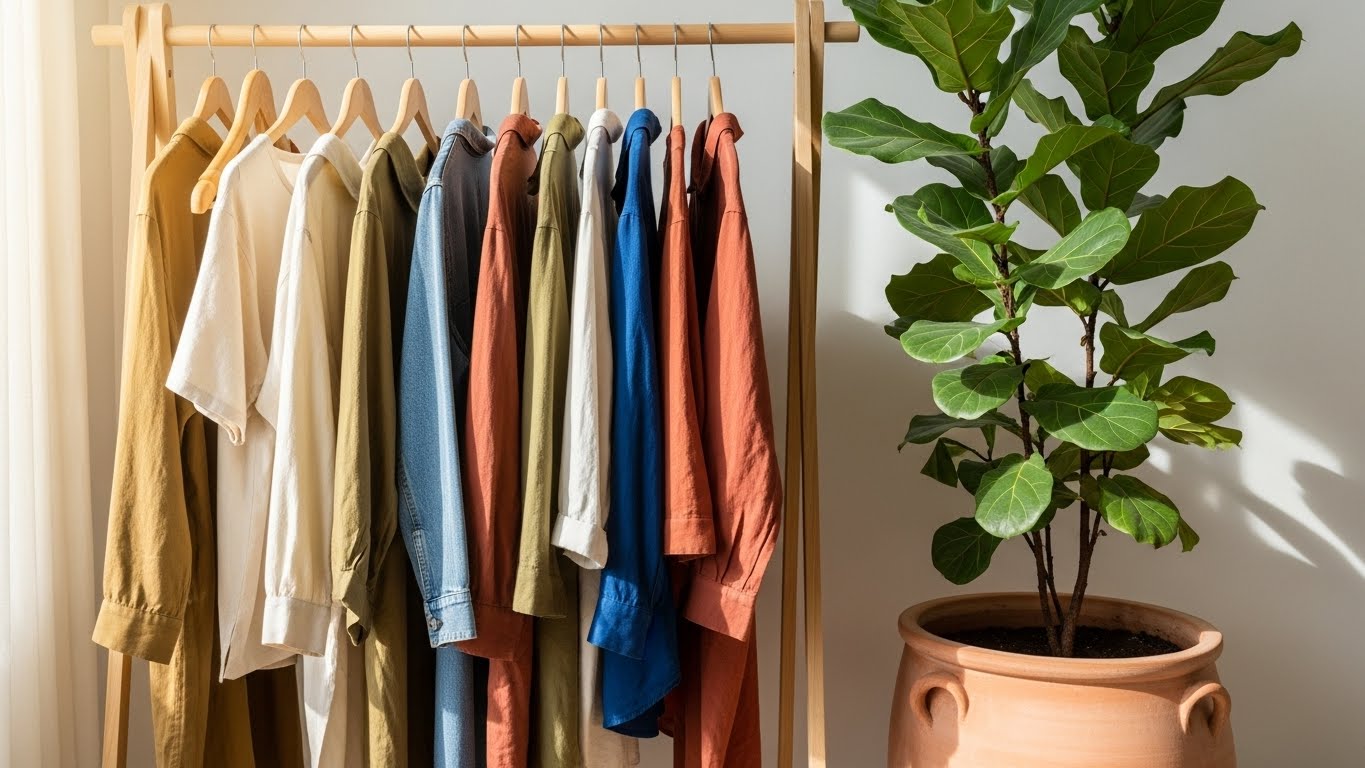
Linen: Made from flax, it uses far less water than cotton and is biodegradable.
-
Tencel/Lyocell: Made from sustainably harvested wood pulp in a closed-loop system.
-
Wool: Renewable and biodegradable (if untreated with superwash chemicals).
Transitioning to natural fibers is a core pillar of learning how to quit fast fashion.
3. Thrifting Like a Pro: The Treasure Hunt
“Sustainable fashion is too expensive!” This is a valid complaint. A high-quality, ethically made dress can cost $200. But you don’t have to buy new. Secondhand is the most sustainable way to shop.
Tips for Thrifting:
-
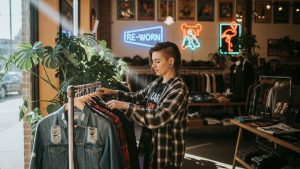
Fabric First: Don’t look at the size or style first. Run your hand down the rack. Stop only when you feel quality (silk, wool, heavy denim). Fast fashion feels cheap to the touch.
-
Men’s Section: Often has better quality basics (sweaters, button-downs) than the women’s section.
-
Online Resale: Apps like Depop, Poshmark, and ThredUp allow you to search for specific high-quality brands (like Patagonia or Reformation) at a fraction of the price.
I bought a vintage 100% wool coat for $15 at a thrift store. A similar coat new would have cost $300.
4. Beware of “Greenwashing”
As consumers get smarter, brands get sneakier. This is called Greenwashing. You will see tags that say “Conscious Collection” or “Eco-Aware.” But if you dig deeper, that “Eco” shirt might contain only 20% recycled polyester and 80% virgin plastic, made in the same sweatshop as the rest of their clothes.
How to verify: Look for third-party certifications, not just marketing buzzwords.
-
GOTS (Global Organic Textile Standard): Ensures organic status and fair labor.
-
Fair Trade Certified: Ensures workers were paid a living wage.
-
B Corp: The company meets high standards of social and environmental performance.
Resources like Good On You allow you to search for a brand and see their ethical rating instantly.
5. Care and Repair: The Lost Art
Fast fashion taught us that clothes are disposable. If a button falls off, we toss the shirt. To quit this mindset, we must re-learn how to care for our things.
-
Wash Less: We over-wash our clothes. Unless it smells or has a stain, hang it up to air out. Washing breaks down fibers.
-
Cold Water: Always wash on cold to save energy and prevent shrinking.
-
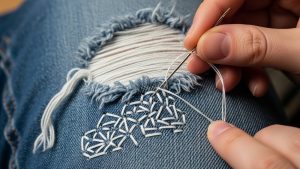
Learn “Visible Mending”: Sashiko is a Japanese embroidery technique used to repair holes. Instead of hiding the tear, you highlight it with beautiful stitching. It turns a flaw into art.
6. The “30 Wears” Rule
Before you buy anything (new or used), ask yourself: “Will I wear this at least 30 times?” If the answer is no, put it back. This rule stops impulse buys. It forces you to think about versatility. Can you wear it to work? To dinner? On the weekend? If it’s a neon pink sequin top for a specific New Year’s Eve party, you probably won’t wear it 30 times. Rent it instead, or borrow from a friend.
7. Building a Capsule Wardrobe
We touched on this in the Travel section, but it applies to life too. A capsule wardrobe is a curated collection of versatile pieces that you love to wear.
-
Define your Uniform: What do you feel best in? Jeans and a tee? A flowy dress? Stick to that silhouette.
-
Color Palette: Pick 3 neutrals (e.g., Black, White, Navy) and 2 accent colors (e.g., Olive Green, Mustard).
-
Quality over Quantity: I would rather have 3 amazing shirts that fit perfectly than 15 mediocre ones that pinch my arms.
When you open your closet and see fewer items, but items you truly love, the urge to shop fades away.

Frequently Asked Questions (FAQs)
Q: What do I do with my old fast fashion clothes? A: Don’t throw them away! That defeats the purpose. Wear them until they fall apart. The most sustainable garment is the one already in your closet.
Q: Is vegan leather better? A: It’s complicated. Most “vegan leather” is just polyurethane (plastic), which peels and ends up in landfills. Vintage real leather or new plant-based leathers (like mushroom or pineapple leather) are more sustainable options.
Q: Is shopping expensive sustainable brands elitist? A: It can be. That’s why “buying less” is the first step. You don’t have to buy a $200 linen shirt to be sustainable. You can just stop buying $5 shirts every week.
Q: Does donating clothes help? A: Only partially. Thrift stores are overwhelmed. Only about 10-20% of donated clothes get sold. The rest is often shipped to developing countries, destroying their local textile industries. Sell or swap your best items instead.
Conclusion
Learning how to quit fast fashion is a journey of unlearning. It requires stepping off the hamster wheel of trends and finding your own style. It is about respecting the hands that made your clothes and the earth that provided the materials. It takes time, but eventually, you will look at a cheap polyester shirt and not see a bargain—you’ll see a burden you no longer want to carry.