Gut Health for Beginners: How to Heal Your “Second Brain” Naturally
Introduction
Learning gut health for beginners is like discovering a secret control panel for your entire body that you never knew existed. For years, I struggled with unexplained fatigue, skin breakouts, and a “brain fog” that no amount of coffee could fix. I treated these as separate issues. I bought expensive face creams for my skin and took caffeine pills for my energy. It wasn’t until I read a study about the “Microbiome” that I realized these weren’t separate problems—they were all symptoms of an unhappy gut.
We used to think the gut was just a plumbing system designed to process food. Now, science tells us it is our “Second Brain.” It produces 90% of our Serotonin (the happiness hormone) and houses 70% of our immune system. If your gut is inflamed, you are inflamed.
In this comprehensive 1200-word deep dive, I will explain the difference between prebiotics and probiotics (and why you need both), demystify “Leaky Gut Syndrome,” and provide a practical gut health for beginners protocol to banish bloating and boost your mood.
1. The Science: Meet Your Microbiome
Inside your digestive tract lives a community of trillions of bacteria, fungi, and viruses. This ecosystem is called the Microbiome. It weighs about 2 to 5 pounds—roughly the same weight as your actual brain. When this community is balanced (more “good” guys than “bad” guys), you feel great. When it is out of whack (Dysbiosis), you feel terrible.
The Gut-Brain Axis: The gut and brain are physically connected by the Vagus Nerve. It is like a superhighway of information. According to research from Harvard Health Publishing, the gut sends far more information to the brain than the brain sends to the gut. This explains why you get “butterflies” in your stomach when you are nervous. Your gut is literally feeling your emotions. Conversely, chronic stress can destroy your gut bacteria, creating a vicious cycle of anxiety and digestion issues.
2. Signs of an Unhealthy Gut (It’s Not Just Stomach Aches)
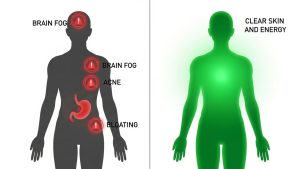
How do you know if your gut needs help? Obvious signs are bloating, gas, diarrhea, or constipation. But the non-digestive signs are often missed.
Silent Symptoms:
-
Skin Issues: Eczema, rosacea, and acne are often linked to gut inflammation.
-
Sugar Cravings: “Bad” bacteria (like Candida yeast) feed on sugar. If you crave sweets intensely, it might be your microbes manipulating your brain to feed them.
-
Sleep Disturbances: Since the gut produces Serotonin (the precursor to Melatonin), a damaged gut can lead to insomnia.
-
Autoimmune Issues: A compromised gut barrier can confuse the immune system, leading it to attack the body.
3. Probiotics vs. Prebiotics: The Fertilizer Analogy
This is the most common confusion point in gut health for beginners. People buy expensive Probiotic pills but change nothing else. This rarely works. Think of your gut as a garden.
-
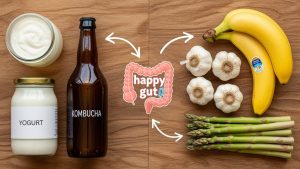
Probiotics (The Seeds): These are the live beneficial bacteria found in fermented foods or supplements. You are planting new flowers.
-
Prebiotics (The Fertilizer): This is the fiber that feeds the bacteria. You cannot grow a garden if you don’t water and fertilize the soil.
If you take Probiotics but eat a diet high in processed food and low in fiber, the new bacteria will starve and die. You need both. Top Prebiotic Foods: Garlic, Onions, Bananas (especially slightly green ones), Asparagus, and Oats.
4. The Fermented Food Revolution
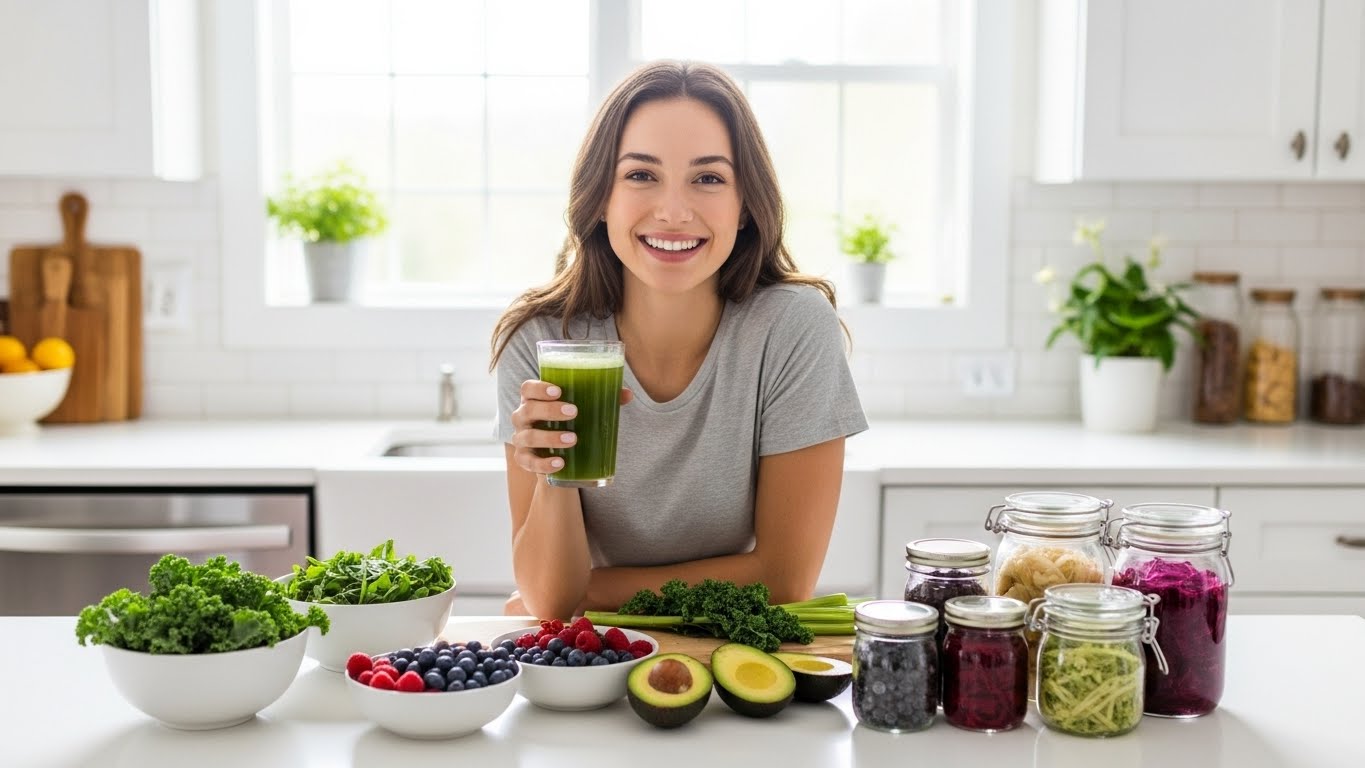
Supplements are okay, but real food is better. Fermented foods are nature’s probiotic factories. A study by Stanford University found that a diet high in fermented foods increases microbiome diversity and decreases inflammation markers better than a high-fiber diet alone.
The Superfoods List:
-
Sauerkraut: Fermented cabbage. Look for “raw” or “unpasteurized” in the refrigerated section. Canned sauerkraut has been heated, killing the bacteria.
-
Kimchi: Korean spicy fermented cabbage. A powerhouse of lactobacillus.
-
Kefir: A fermented drinkable yogurt. It typically has 3x more probiotics than regular yogurt.
-
Miso: Fermented soybean paste used in soup.
Start small. One tablespoon a day is enough. Too much too soon can cause bloating (the “die-off” reaction).
5. The “Leaky Gut” Controversy (Intestinal Permeability)
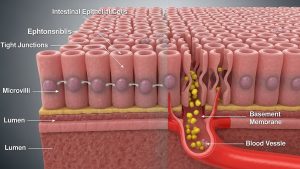
“Leaky Gut” sounds like a made-up internet term, but the medical term is Increased Intestinal Permeability. Your intestinal lining is only one cell thick. Ideally, it is a tight barrier that lets nutrients through but keeps toxins and bacteria out. Chronic inflammation (from gluten, alcohol, stress, or antibiotics) can loosen the “tight junctions” between these cells.
The Result: Undigested food particles and toxins “leak” into the bloodstream. Your immune system sees these foreign particles and attacks, causing systemic inflammation. To heal this, you need to remove the triggers (often gluten, dairy, or alcohol) for a period of time to let the lining repair itself. Bone broth is often recommended here because it is rich in collagen and amino acids like L-glutamine, which help seal the gut lining.
6. Lifestyle Factors: Stress and Antibiotics
You can eat all the kale in the world, but if you are chronically stressed, your gut will suffer. Stress puts your body in “Fight or Flight” mode. Digestion shuts down in this mode because your body is prioritizing survival over processing lunch. Action Step: Practice deep belly breathing before meals. This activates the Parasympathetic Nervous System (“Rest and Digest”), priming your stomach acid and enzymes for food.
The Antibiotic Nuke: Antibiotics save lives, but they are like a nuclear bomb to your microbiome. They kill the bad infection, but they also wipe out the good bacteria. If you must take antibiotics, double down on probiotics and fermented foods during and especially after the course to rebuild the colony.
7. Artificial Sweeteners: The Hidden Enemy
If you are drinking “Diet” soda to be healthy, you might be hurting your gut. Research suggests that artificial sweeteners like Aspartame, Sucralose, and Saccharin can negatively alter the gut microbiome and induce glucose intolerance. If you need sweetness, opt for natural options like Stevia, Monk Fruit, or just a little bit of real honey or maple syrup.

Frequently Asked Questions (FAQs)
Q: How long does it take to heal my gut? A: The gut lining regenerates every 3-5 days, but shifting the microbiome takes time. You can feel better in 2 weeks, but permanent changes usually take 3 to 6 months of consistent healthy habits.
Q: Should I take a probiotic supplement? A: Food is best, but a high-quality supplement helps. Look for one with at least 50 Billion CFUs and multiple strains (Lactobacillus and Bifidobacterium). Refrigerated brands are often more stable.
Q: Does gluten destroy the gut? A: Not for everyone. However, for people with Celiac disease or Non-Celiac Gluten Sensitivity, gluten triggers zonulin, a protein that opens up the gut barrier (causing Leaky Gut). If you have symptoms, try an elimination diet for 30 days.
Q: Can I test my gut health? A: Yes. Companies like Viome or Thryve offer at-home stool tests that sequence your microbiome DNA and tell you exactly which bacteria you have and what foods you should eat.
Conclusion
Mastering gut health for beginners is the foundation of modern wellness. It is not about a strict diet; it is about tending to an internal garden. By feeding your “good guys” with fiber, introducing reinforcements with fermented foods, and reducing the stress that kills them, you can resolve issues that have plagued you for years. Trust your gut—literally. When you heal your microbiome, you heal your mind, your skin, and your energy.