How to Stop Microplastics in Laundry: A Hidden Ocean Polluter in Your Home
Introduction
Learning how to stop microplastics in laundry often starts with a shocking realization: your favorite cozy fleece jacket is essentially made of oil. I remember the day I learned this. I was feeling virtuous about buying a sweater made from “100% Recycled Plastic Bottles.” I thought I was saving the planet. Then, I read a study explaining that every time I washed that sweater, it shed thousands of microscopic plastic fibers into the wastewater system, bypassing filtration plants and ending up in the stomach of a fish I might eat later.
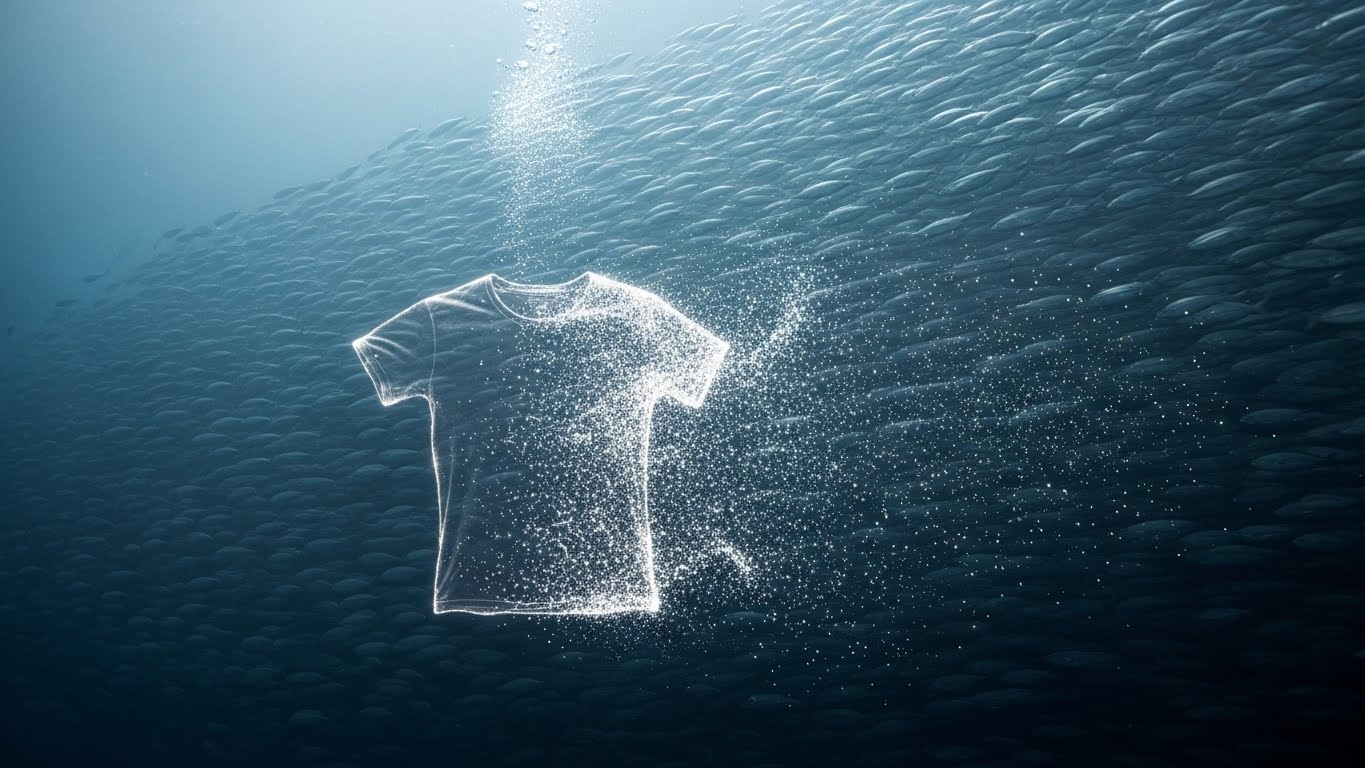
It was a wake-up call. We obsess over plastic straws and grocery bags, but the clothes on our backs are silent polluters. According to a landmark study by Plymouth University, a single load of laundry can release over 700,000 microscopic plastic fibers. These fibers are now found in the deepest trenches of the ocean and the ice of Antarctica.
In this comprehensive 1200-word deep dive, I will explain the science of synthetic shedding, why “Delicate” cycles might actually be worse for the environment, and provide actionable steps on how to stop microplastics in laundry without having to replace your entire wardrobe.
1. The Invisible Enemy: What Are Microfibers?
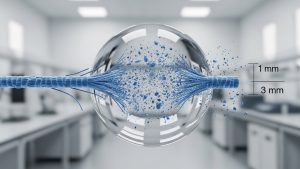
Microfibers are a type of microplastic—plastic pieces smaller than 5mm. Most of our modern clothing is made of synthetic materials: Polyester, Nylon, Acrylic, and Spandex. These are plastics. When you churn these fabrics in a washing machine, friction breaks tiny filaments off the yarn. These filaments are so small they pass through the washing machine’s filter and the municipal wastewater treatment screens.
The Biological Impact: Once in the ocean, these fibers act like sponges. They absorb toxic chemicals (like pesticides and heavy metals) floating in the water. Small fish (plankton) eat the fibers thinking they are food. Bigger fish eat the plankton. Eventually, the toxins bioaccumulate up the food chain until they reach our dinner plates. The National Oceanic and Atmospheric Administration (NOAA) identifies microplastics as a major threat to aquatic life.
2. The “Guppyfriend” Solution: Washing Bags
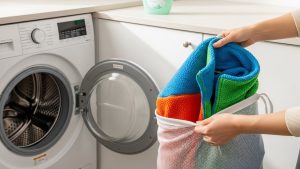
You cannot stop wearing clothes, but you can stop the escape. The most accessible tool for most people is a specialized washing bag, commonly known by the brand Guppyfriend. This bag is made of a fine monofilament mesh that allows water and soap to pass through but traps the broken microfibers inside.
How to use it:
-
Put your synthetic clothes (fleece, gym leggings, polyester shirts) inside the bag.
-
Zip it up and wash as normal.
-
After the wash, open the bag. You will see a soft, lint-like accumulation in the corners.
-
Crucial Step: Do NOT rinse this lint down the sink. Take it out with your fingers and put it in the trash bin.
It is a simple physical barrier that reduces shedding by protecting the clothes from the friction of the metal drum.
3. The Temperature and Speed Factor
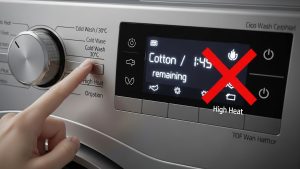
The settings on your washing machine matter more than you think. Heat weakens the structure of plastic fibers, making them brittle and prone to breaking. High spin speeds and long cycles increase the mechanical friction that rips the fibers apart.
The Protocol:
-
Wash Cold: Always use cold water (30°C or lower). It saves energy and preserves the fabric structure.
-
Short Cycles: A 30-minute cycle sheds significantly less than a 90-minute heavy-duty cycle.
-
Liquid over Powder: Powder detergents contain “scrubbing” agents (abrasives) that increase friction. Liquid detergent is gentler.
The “Delicate” Myth: Counter-intuitively, a study found that the “Delicate” cycle causes more shedding than standard cycles. Why? Because it uses almost twice as much water. More water means a higher ratio of water-to-fabric, which violently flushes the fibers out of the clothes. Stick to standard cycles with low spin.
4. The Filter Upgrade: Catching It at the Source
If you own your home, you can install an external filter. Devices like the PlanetCare or Filtrol attach to the discharge hose of your washing machine. The wastewater flows through a cartridge filter before entering the drain.
-
Pros: It captures up to 90% of microfibers. It requires zero effort during the wash (no bags to zip).
-
Cons: It is an upfront cost ($150+), and you have to change/clean the cartridges regularly.
However, if you do a lot of laundry for a family, this is the most effective systemic solution available until washing machine manufacturers start building them in by default (which France is mandating by 2025).
5. Fabric Choice: Transitioning to Natural Fibers
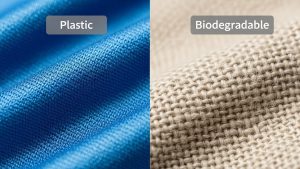
The ultimate prevention is to stop buying plastic clothes. This is hard because synthetics are cheap and stretchy. But every time you choose Organic Cotton, Linen, Hemp, or Wool, you are solving the problem. When natural fibers shed (and they do), the fibers are biodegradable. A cotton fiber will decompose in the environment in months; a polyester fiber will last for centuries.
The “Blend” Trap: Be careful with blends (e.g., “Cotton/Poly Blend”). These cannot be recycled easily and still shed plastic. Aim for 100% natural fibers whenever possible.
6. Wash Less: The “Sniff Test” Return
We are culturally obsessed with “cleanliness” to a fault. We wash jeans after one wear. We wash sweaters because we wore them for two hours. Every wash damages the garment and releases plastic. The Strategy:
-
Spot Clean: If you spill coffee, just wash the spot, not the whole shirt.
-
Air Out: Hang clothes in the sun or fresh air to remove odors.
-
Jeans: Denim experts recommend washing jeans only once every 10 wears.
Washing less extends the life of your clothes and drastically reduces your environmental footprint.
Frequently Asked Questions (FAQs)
Q: Does the dryer release microplastics? A: Yes! Dryer vents blast microfibers into the air. This is actually worse because it becomes airborne dust that we inhale. Air dry your clothes whenever possible. If you must dry, clean the lint trap religiously and put the lint in the trash, not the compost.
Q: Are front-loaders better than top-loaders? A: Yes. Top-loading machines usually have a central agitator (the pole in the middle) that beats the clothes up. Front-loaders use gravity (tumbling), which causes significantly less friction and shedding.
Q: Can I recycle the lint? A: No. Dryer lint and washing machine lint from synthetic clothes are hazardous waste. They are full of microplastics and chemicals. Do not compost them; put them in a sealed container in the trash.
Q: Is “Recycled Polyester” okay? A: It is better for carbon emissions (using old bottles instead of oil), but it is worse for microplastics. Recycled fibers are often shorter and weaker, meaning they shed even more than virgin polyester. Use a wash bag for these items specifically.
Conclusion
Deciding how to stop microplastics in laundry is not about perfection; it is about reduction. You don’t have to burn all your yoga pants. Start by washing them less often. Then, buy a wash bag. Then, switch to cold water. These small habits, compounded over millions of households, can prevent tons of plastic from entering our oceans. We cannot see these tiny fibers, but the ocean feels them. It is time to clean up our cleaning routine.