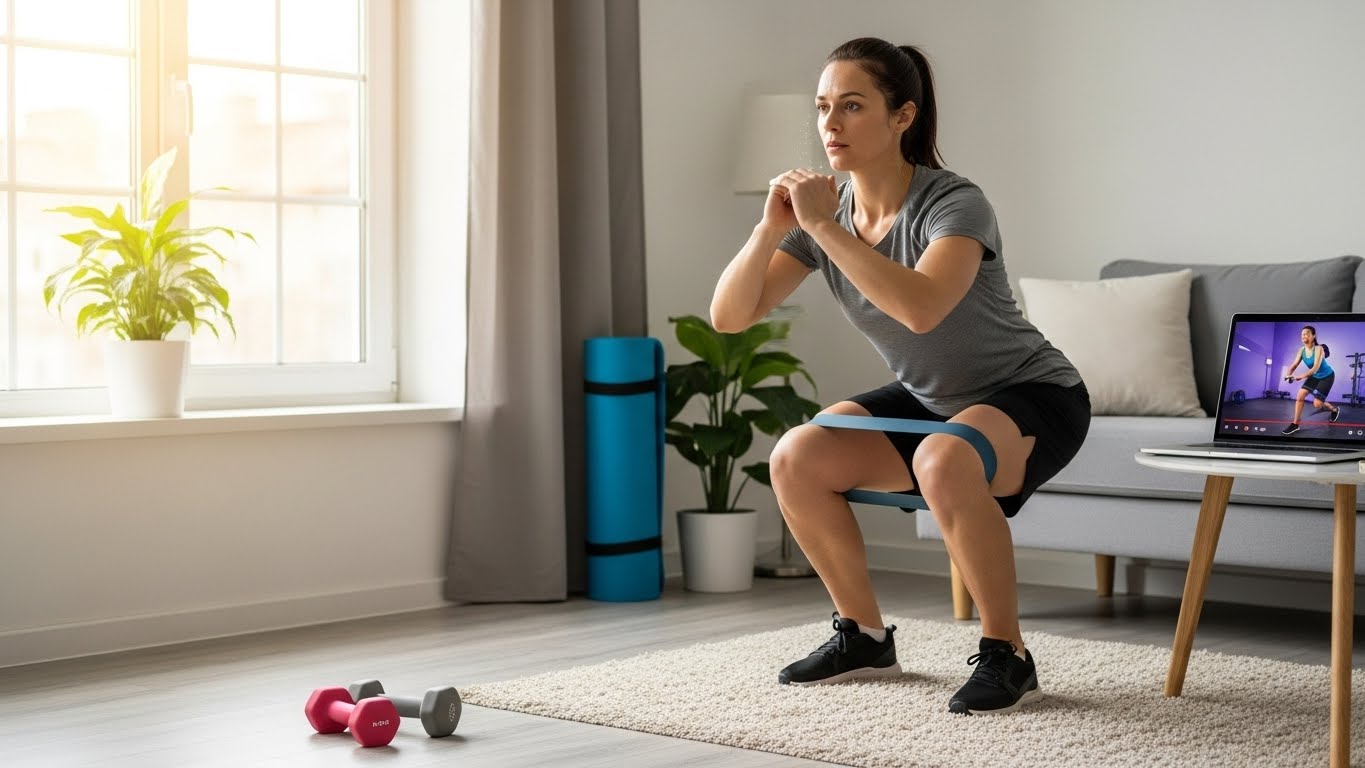
Strength Training for Beginners: How to Build Muscle at Home Without a Gym
Introduction
Starting a strength training for beginners routine often feels intimidating. You picture a gym filled with grunt-y men throwing heavy weights around, confusing machines that look like torture devices, and the fear of judgment. Or, if you are a woman, you might fear getting “bulky” or looking like a bodybuilder overnight. I used to believe these myths too. I stuck to the treadmill for years, thinking cardio was the only way to be healthy.
But the result was that I felt weak. Carrying groceries was a chore. My posture suffered. It wasn’t until I picked up a simple pair of dumbbells in my living room that my body—and my mindset—changed. According to the Mayo Clinic, strength training protects bone health, boosts metabolism, and improves chronic disease management. It is the fountain of youth.
In this comprehensive 1200-word deep dive, I will debunk the “bulky” myth, explain the non-negotiable science of Progressive Overload, and provide you with a complete strength training for beginners plan that requires zero gym membership and minimal space.
1. The “Tone” Myth: Why You Won’t Get Bulky
Let’s address the elephant in the room immediately. Many beginners (especially women) avoid weights because they just want to “tone,” not “build muscle.” Here is the truth: “Toning” is a marketing term. Biologically, you cannot “tone” a muscle; you can only make it bigger (hypertrophy) or smaller (atrophy). The “toned” look you want is simply Muscle + Low Body Fat.
To get bulky like a bodybuilder requires:
-
Eating a massive surplus of calories.
-
Lifting extremely heavy weights for years.
-
High levels of testosterone.
Lifting weights at home will not turn you into the Hulk accidentally. It will make you leaner, tighter, and stronger. Muscle tissue is metabolically active, meaning it burns calories just by existing. By building muscle, you are turning your body into a fat-burning machine 24/7.
2. The Science: Progressive Overload
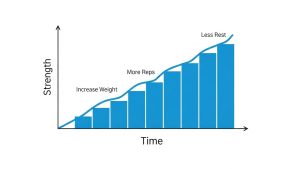
You can do 100 pushups every day, and eventually, you will stop getting stronger. Why? Because your body adapts. To continue seeing results, you must apply Progressive Overload. This means you must continually increase the demands on your musculoskeletal system.
Four Ways to Overload at Home:
-
Increase Resistance: Use a heavier dumbbell or a thicker band.
-
Increase Volume: Do more reps or sets (e.g., 12 reps instead of 10).
-
Decrease Rest: Rest for 30 seconds instead of 60 seconds between sets.
-
Tempo: Slow down the movement. Take 3 seconds to lower into a squat. This increases “Time Under Tension.”
If you don’t track this, you aren’t training; you are just exercising. Keep a journal.
3. Bodyweight Mastery: The Big Four
You don’t need equipment to start. You need to master your own body weight. A valid strength training for beginners program revolves around functional movements.
-
The Squat (Lower Body Push): Sit back like you are sitting in a chair. Keep your chest up.
-
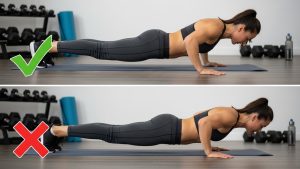
The Push-Up (Upper Body Push): Keep your elbows tucked at a 45-degree angle (arrow shape), not flared out (T shape). Modify by doing them on your knees or against a wall.
-
The Lunge (Unilateral Leg): Steps forward or backward. This builds balance and fixes muscle imbalances.
-
The Plank (Core Stability): Don’t just hold it; squeeze your glutes and pull your belly button to your spine.
4. The Home Gym Starter Kit (Under $50)
Once bodyweight becomes too easy, you need tools. You don’t need a Bowflex.
-
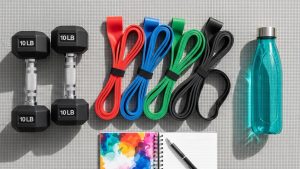
Resistance Bands: These are giant rubber bands. They come in different colors (resistance levels). They are cheap, store in a drawer, and apply “Variable Resistance” (the exercise gets harder as you stretch the band).
-
Adjustable Dumbbells: Expensive but worth it. Or, just buy two pairs (5lbs and 10lbs).
-
A Yoga Mat: For floor work and traction.
5. Designing Your Routine: Full Body vs. Splits
For beginners, I recommend a Full Body Routine 3 times a week. This allows you to hit every muscle group frequently while giving you 4 rest days.
Sample Home Workout:
-
Warm-up: 5 mins jumping jacks/arm circles.
-
Squats: 3 sets of 12 reps (Bodyweight or holding a milk jug).
-
Push-ups: 3 sets of as many as possible (AMRAP).
-
Lunges: 3 sets of 10 reps per leg.
-
Dumbbell/Band Rows: 3 sets of 12 reps (pulling is crucial for posture).
-
Plank: 3 sets of 30 seconds.
6. Nutrition: Feeding the Gains
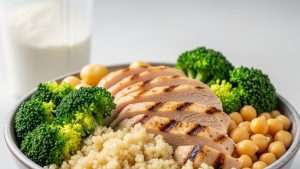
You cannot build a house without bricks. You cannot build muscle without Protein. When you lift weights, you are creating microscopic tears in your muscle fibers. Protein is the material your body uses to patch those tears, making the fiber thicker and stronger (Hypertrophy).
The Rule of Thumb: Aim for roughly 0.7 to 1 gram of protein per pound of body weight if you are actively training.
-
Sources: Chicken, Greek Yogurt, Tofu, Lentils, Whey Protein Shake.
-
Timing: Try to eat a protein-rich meal within 1-2 hours after your workout to maximize synthesis.
7. Recovery: When the Magic Happens
You do not build muscle while you are working out. You build muscle while you sleep. If you train hard but sleep 5 hours a night, you will not see results. Sleep is when Growth Hormone is released. Rest Days: Do not train the same muscle group two days in a row. If you do legs on Monday, wait until Wednesday to do them again. Your muscles need 48 hours to repair.
Frequently Asked Questions (FAQs)
Q: I’m sore. Should I workout anyway? A: If it is mild soreness (DOMS – Delayed Onset Muscle Soreness), yes, light movement helps. If it is sharp pain, NO. Rest. DOMS usually peaks 24-48 hours after a new workout.
Q: Can I lose belly fat by doing crunches? A: No. You cannot “spot reduce” fat. Crunches build the muscle under the fat. To reveal abs, you need to lose overall body fat through a calorie deficit and full-body strength training.
Q: How long until I see results? A: You will feel stronger in 2 weeks (neurological adaptation). You will see muscle definition in 6-8 weeks of consistent training.
Q: Is cardio bad? A: No! Cardio is great for your heart. But for changing your body composition (shape), strength training is superior. A mix of both is ideal.
Conclusion
Committing to strength training for beginners is a commitment to your future self. It is investing in the ability to pick up your grandkids, carry your own luggage, and stand up straight in your 80s. Start with your body weight. Master the push-up. Then grab a band. The confidence you gain from feeling physically capable will bleed into every other area of your life. You are stronger than you think—now go prove it.