Zero Waste Bathroom Swaps: How to Ditch Plastic Without Sacrificing Luxury
Introduction
Searching for zero waste bathroom swaps usually starts with a moment of realization. For me, it happened on a Tuesday night while I was taking a shower. I looked at the ledge of my bathtub and counted. One shampoo bottle, one conditioner, a face wash, a body wash, a plastic razor, and a tub of exfoliating scrub. I was standing in a graveyard of single-use plastic. Even worse, I realized that every single toothbrush I had used since I was five years old still existed somewhere on this planet, likely sitting in a landfill or floating in the Pacific Ocean.
We are taught that “recycling” is the answer. But the hard truth is that only about 9% of plastic ever gets recycled. The rest ends up in our ecosystem. The bathroom is the easiest place to start fighting back. However, going “zero waste” can feel intimidating. You imagine brushing your teeth with a twig and smelling like patchouli oil. It doesn’t have to be that way.
In this comprehensive 1200-word deep dive, I will guide you through the most effective zero waste bathroom swaps that actually work better than their plastic counterparts, save you money in the long run, and make your bathroom look like a high-end spa.
1. The “Recycling Myth”: Why We Can’t Just Bin It
Before we swap products, we need to swap our mindset. Why not just throw the shampoo bottle in the blue bin? According to National Geographic, most bathroom plastics (like pumps on lotion bottles or toothpaste tubes) are made of mixed materials that are technically unrecyclable. They are “wish-cycled”—we throw them in the bin hoping they get recycled, but they just clog up the sorting machines and get sent to the landfill anyway.
The goal isn’t better recycling; it’s prevention. By switching to products that don’t have packaging (or use compostable/metal packaging), we stop the problem at the source. This isn’t just eco-friendly; it’s logical.
2. Swap 1: The Safety Razor (Scary but Superior)
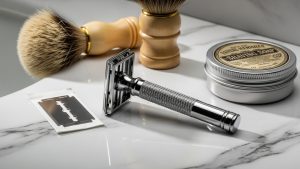
This is the swap that terrifies everyone. We are used to Gillette plastic cartridges with 5 blades, moisture strips, and pivoting heads. The idea of using a heavy, single-blade metal Safety Razor feels like asking to slice your leg open. I was terrified the first time I used one. I moved so slowly I barely breathed. But here is the secret: It gives a better shave.
The Economics:
-
Plastic Cartridges: $4.00 per cartridge. (Need replacing weekly).
-
Safety Razor Blades: $0.10 per blade. (Yes, ten cents).
You buy the metal handle once (about $30), and it lasts a lifetime. The blades are fully recyclable steel. How to use it: Do not apply pressure. Let the weight of the handle do the work. Hold it at a 30-degree angle. Once you master this zero waste bathroom swap, you will realize that plastic razors were essentially a scam to make you pay for expensive refills.
3. Swap 2: Shampoo Bars (No More Straw Hair)
If you tried a shampoo bar 10 years ago, it probably made your hair feel like waxy straw. Good news: Technology has improved. Old shampoo bars were basically just soap (high pH) which damaged hair. Modern shampoo bars are “Syndet” bars (Synthetic Detergent)—they are literally liquid shampoo minus the water.
Why switch?
-
Plastic Free: No bottle.
-
Travel Friendly: TSA won’t confiscate it.
-
Potency: One bar lasts as long as 3 bottles of liquid shampoo.
The Transition: Look for bars that list ingredients like Sodium Cocoyl Isethionate (a gentle cleanser derived from coconut). Avoid bars that list “Saponified Oils” as the first ingredient if you have hard water, as these are soap-based and will leave residue. Brands like Ethique or Lush have perfected the formula.
4. Swap 3: Bamboo Toothbrushes & Silk Floss
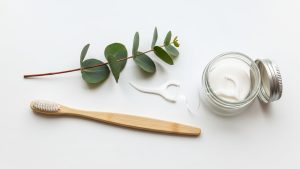
Over 1 billion plastic toothbrushes are thrown away every year in the US alone. They are made of polypropylene plastic and nylon bristles, which never decompose. The solution? Bamboo Toothbrushes. Bamboo is one of the fastest-growing plants on earth. When you are done with the brush, you can snap off the head (which usually still contains nylon bristles) and compost the handle.
The Floss Problem: Regular dental floss is just Teflon or Nylon string. It wraps around marine life in the ocean. Swap it for Silk Floss or Corn Starch Floss in a refillable glass jar. It works exactly the same but is 100% biodegradable.
5. Swap 4: The Bidet (Save the Trees)
Americans use more toilet paper than anyone else in the world. Making toilet paper requires cutting down virgin boreal forests, bleaching the pulp with chlorine, and wrapping it in plastic film. Enter the Bidet Attachment.
You don’t need a fancy Japanese toilet. You can buy a bidet attachment for $40 on Amazon that installs under your existing toilet seat in 15 minutes.
-
Hygiene: It cleans you with water, which is far more sanitary than dry paper.
-
Reduction: You will use 80% less toilet paper (you only need a small amount to pat dry).
-
Sustainability: Less paper means fewer trees cut down and less plastic packaging.
6. Swap 5: Reusable Cotton Rounds
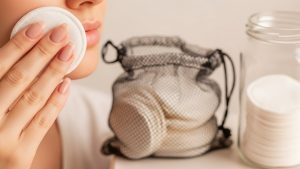
If you wear makeup or use toner, you probably go through hundreds of single-use cotton balls or rounds a year. Cotton is a water-intensive crop, and the packaging is plastic. The Swap: Buy a pack of Reusable Bamboo/Cotton Rounds. They feel like soft velvet. You use them, toss them in a mesh laundry bag, wash them with your towels, and use them again. I have had the same set of 10 rounds for three years.
Frequently Asked Questions (FAQs)
Q: Are safety razors safe for private areas? A: Yes, but take it slow. Pull the skin tight and use very light strokes. Many people find they actually get fewer ingrown hairs because there is only one blade cutting the hair, rather than 5 blades dragging across the skin.
Q: Do zero waste products cost more? A: Upfront, sometimes. A safety razor costs $30, while a plastic one costs $10. But the refill blades cost pennies. Over one year, zero waste bathroom swaps usually save you hundreds of dollars.
Q: What do I do with my old plastic products? A: Use them up! The most zero-waste thing you can do is use what you already have. Don’t throw away a half-full bottle of shampoo just to buy a bar. Finish it, recycle the bottle, then switch.
Q: Does bamboo mold? A: It can if it sits in water. Make sure your bamboo toothbrush dries out between uses. Don’t keep it in a cup where water pools at the bottom.
Conclusion
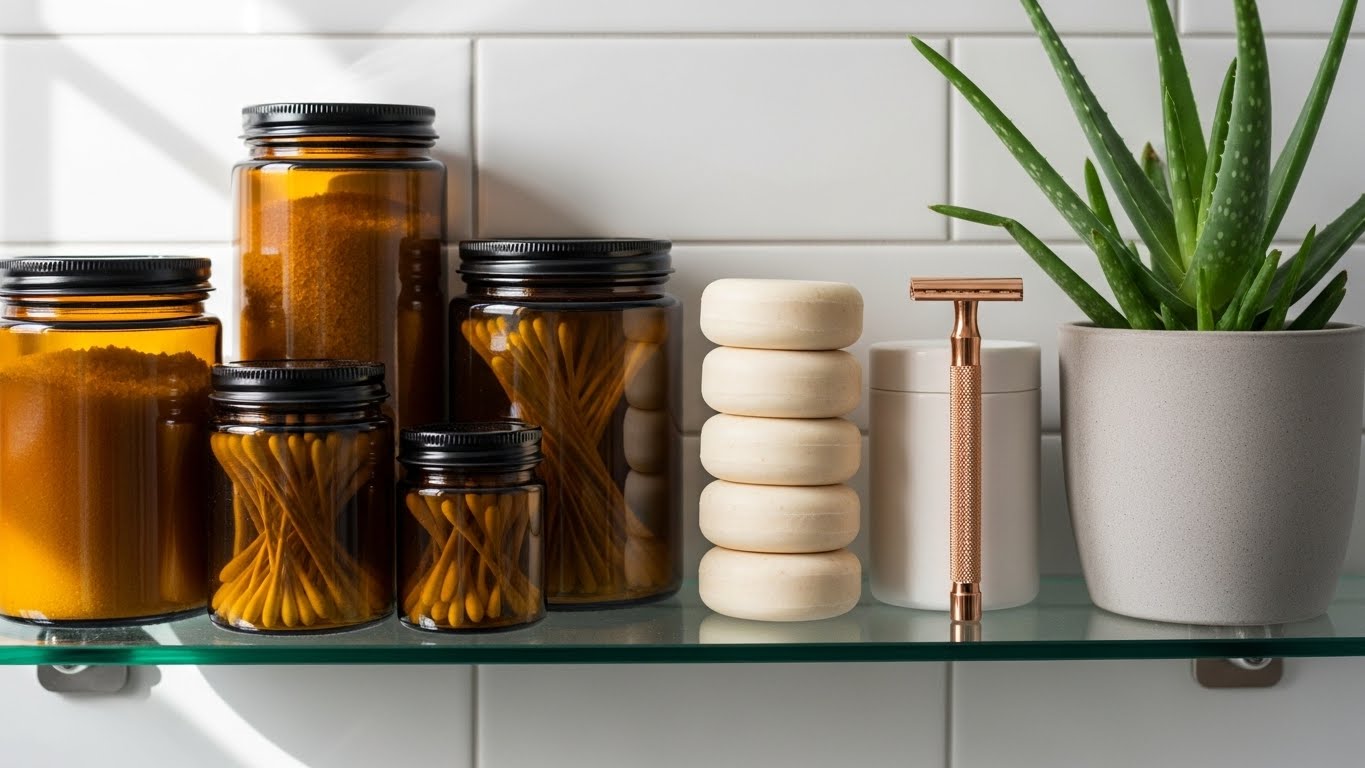
Implementing zero waste bathroom swaps is not about being perfect; it is about being conscious. You don’t have to fit all your trash into a mason jar to make a difference. By switching to a safety razor, a shampoo bar, and a bamboo toothbrush, you prevent pounds of plastic from entering the waste stream every year. Plus, there is a distinct aesthetic joy in a bathroom filled with glass, metal, and wood instead of neon-colored plastic bottles. It feels cleaner, looks better, and aligns your daily routine with your values.