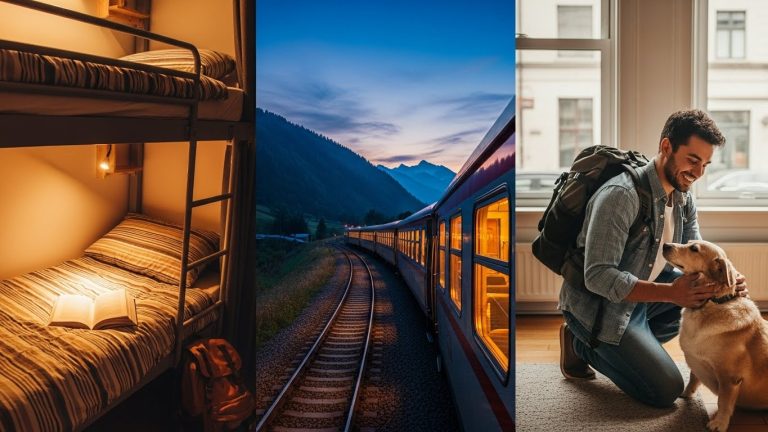
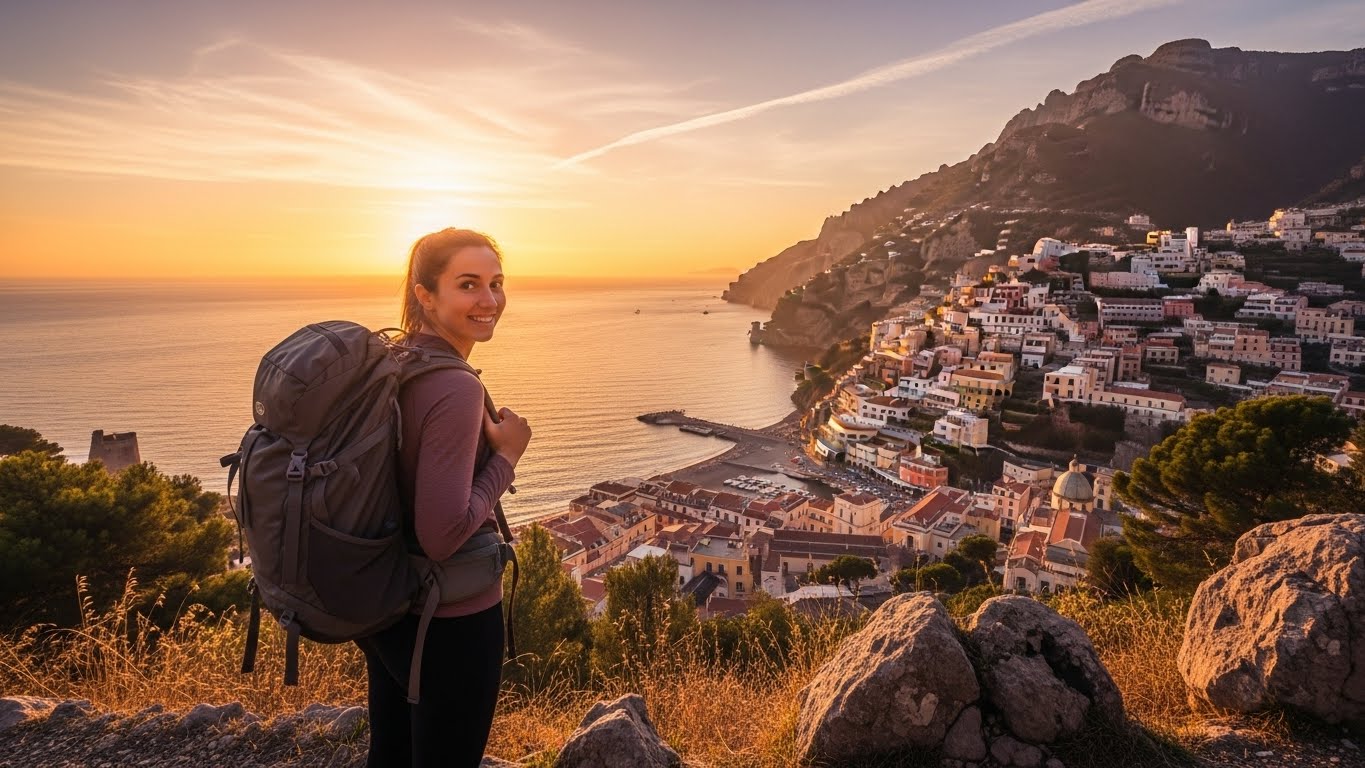
The Ultimate Solo Travel Guide for Beginners: How to Fear Less and Explore More
Introduction
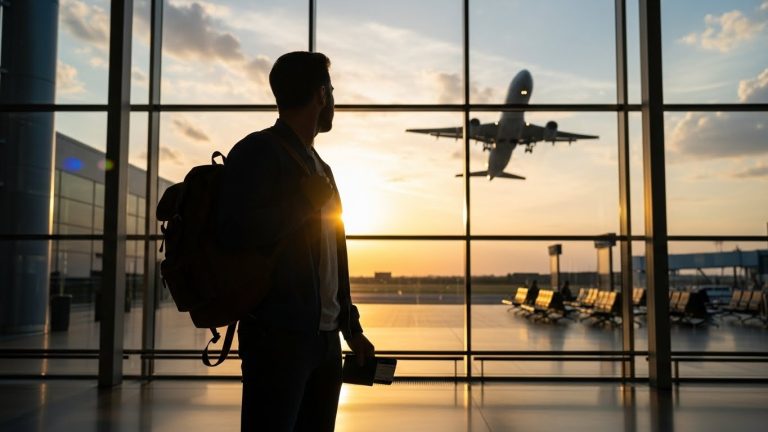
If you are looking for the most comprehensive solo travel guide for beginners, you are likely standing on the edge of a decision that will completely change your life. I still remember the moment I booked my first one-way ticket to Southeast Asia. My hands were shaking. My friends thought I was crazy, and my mother was convinced I would be kidnapped within 24 hours. The fear was paralyzing.
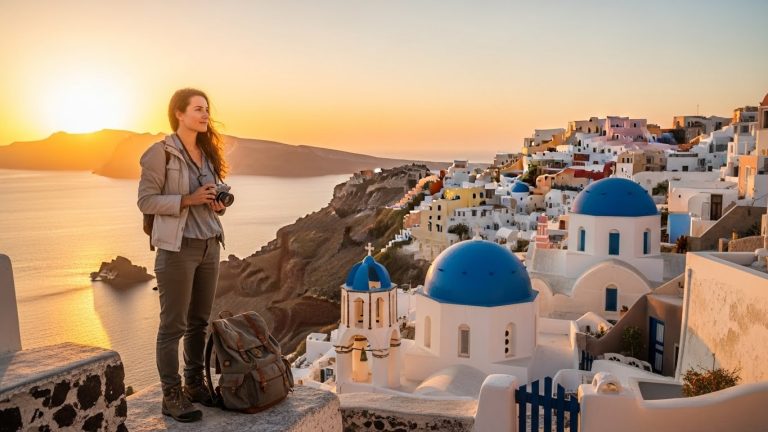
But the moment I stepped off the plane and navigated a foreign subway system by myself, that fear transformed into a superpower. Traveling alone isn’t just about seeing new places; it is about meeting a version of yourself you didn’t know existed. It forces you to trust your gut, solve problems on the fly, and embrace total freedom.
In this comprehensive 1200-word deep dive, I will share the hard-earned lessons from five years of traveling alone. We will cover how to choose safe destinations, the “fake wedding ring” safety hack, how to handle the awkwardness of eating alone, and everything you need to know to execute your solo travel guide for beginners checklist.
1. The “Why”: Overcoming the Fear of Loneliness
The number one question I get is: “Don’t you get lonely?” The honest answer is: Sometimes. But there is a massive difference between being alone and being lonely. When you travel with friends or a partner, you are in a bubble. You talk to each other. When you travel solo, you are approachable. I have made more friends in one week of solo travel than in a year of living in my hometown.
The Psychology of Solitude: According to a study published by the National Institutes of Health (NIH), spending time alone can actually improve creativity and help with self-regulation. Solo travel removes the noise of other people’s opinions. You wake up and ask, “What do I want to do today?” If you want to sleep until noon, you do. If you want to hike a mountain at 4 AM, you do. That absolute autonomy is addictive.
2. Choosing Your First Destination: Start “Easy”
For your first trip, do not choose a destination that is culturally shocking or logistically difficult (like rural India or the Amazon rainforest). You want a “training wheels” destination—somewhere with good infrastructure, high safety ratings, and English compatibility.
Top Picks for Beginners:
-
Iceland: Consistently ranked #1 on the Global Peace Index. It is safe, beautiful, and everyone speaks English.
-
Japan: Extremely low crime rate and an efficient train system that makes getting around effortless.
-
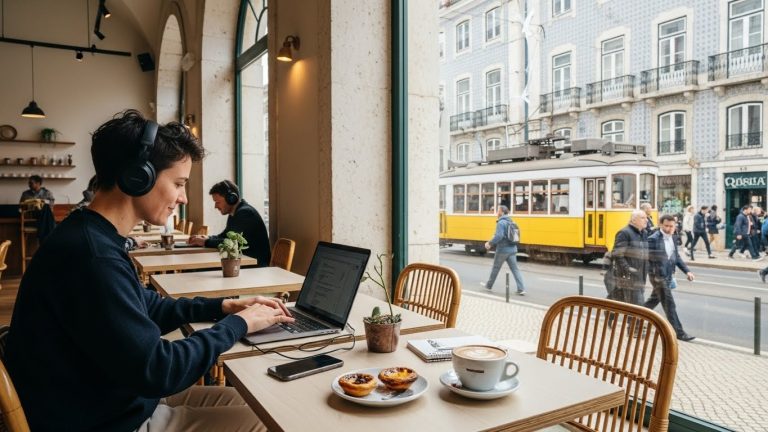
Thailand (Chiang Mai): The hub of digital nomads. It is cheap, friendly, and you will meet hundreds of other solo travelers instantly.
3. Safety First: The “Street Smarts” Toolkit
Safety is the biggest concern, especially for female solo travelers. While the world is generally safer than the news suggests, you need “street smarts.” Here are the non-negotiable rules I follow.
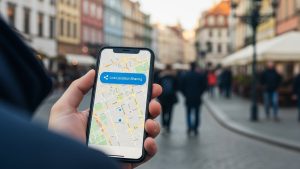
The “Download Offline Maps” Rule: Never look like a lost tourist staring at a map on a street corner. Before you leave your hotel, download the area on Google Maps for offline use. If you get lost, step into a café or shop to check your phone. Walking with purpose is your best defense.
The “Fake It” Strategy:
-
The Dummy Wallet: Carry a cheap wallet with expired credit cards and a little cash. If you get mugged, hand that over. Keep your real cards and money in a hidden money belt or inside pocket.
-
The Fake Wedding Ring: This is a common trick for women. Wearing a simple gold band can deter unwanted romantic advances. If someone asks, “Where is your husband?”, the answer is always, “He is waiting for me at the hotel.”
Share Your Live Location: Use tools like WhatsApp or Find My Friends to share your real-time location with a trusted person back home. Establish a “check-in” routine. If you don’t text by 9 PM, they know something is wrong.
4. The Art of Dining Alone (Table for One)
This is the hurdle that stops many people. Walking into a restaurant and saying, “Table for one, please,” can feel excruciatingly awkward. You feel like everyone is looking at you. Spoiler Alert: They aren’t. They are too busy looking at their phones or talking to their dates.
How to Master It:
-
Bring a Prop: A book or a journal is your shield. It signals that you are busy and content, not “sad and lonely.”
-
Sit at the Bar: This is the pro move. The bartender is usually bored and happy to chat. You will often find other solo travelers sitting at the bar too. It is the easiest place to strike up a conversation without the pressure of a formal table.
-
Go for Lunch: Lunch vibes are more casual than dinner. Practice dining alone during the day before tackling a fancy dinner.

5. Accommodation: Hostel vs. Hotel
Your choice of bed defines your social life.
-
Hotels: Great for sleep and privacy, but terrible for meeting people. You will be isolated in your room.
-
Hostels: The holy grail for solo travelers. You don’t have to sleep in a dorm with 10 snoring strangers anymore. Most modern hostels offer “Private Rooms.” You get the privacy of a hotel room but access to the “Common Room” where people hang out.
Websites like Hostelworld allow you to filter by “Atmosphere.” Look for hostels that organize group dinners or walking tours. This is how you make instant friends. I once joined a hostel paella night in Barcelona and ended up traveling with a group of Australians for the next two weeks.

6. Packing Light: The One-Bag Philosophy
When you travel solo, there is no one to watch your bag while you run to the bathroom. You have to carry everything, everywhere. If you can’t carry your luggage up three flights of stairs comfortably, you have packed too much.
Aim for a 40L Travel Backpack (carry-on size).
-
The “Capsule Wardrobe”: Pack clothes that all match each other (neutral colors).
-
Laundry is Everywhere: You don’t need 14 pairs of socks for a 14-day trip. Pack for 7 days and do laundry.
-
The Power Bank: Your phone is your map, your translator, and your bank. If it dies, you are stranded. Carry a high-capacity (20,000mAh) power bank.
Frequently Asked Questions (FAQs)
Q: Is solo travel expensive? A: It can be. You don’t have anyone to split the cost of a hotel room or a taxi with. However, you save money by having total control over your budget. You can eat street food for $2 if you want, without compromising with a friend who wants a $50 steak.
Q: What if I get sick? A: This is the worst part. Bring a small medical kit (painkillers, rehydration salts, band-aids). Always buy Travel Insurance (like World Nomads or SafetyWing). If you are really ill, hostel staff are usually incredibly helpful in finding a doctor.
Q: Is it safe for women? A: Yes, but with precautions. Research local dress codes to avoid unwanted attention. Trust your intuition—if a situation feels “off,” leave immediately. Don’t worry about being polite; worry about being safe.
Q: How do I take photos of myself? A: Use a small tripod with a Bluetooth remote. Or, ask other tourists! Offer to take their photo first, and they will usually happily return the favor.
Conclusion
Solo travel is not just a vacation; it is an accelerated course in personal development. You will get lost, you might get lonely, and things will go wrong. But you will also discover that you are capable of handling anything the world throws at you. The hardest part of the entire journey is buying the ticket. Once you do that, the adventure has already begun. Use this solo travel guide for beginners, trust yourself, and go see the world.